
The Perth and Kinross local authority is embarking on a comprehensive effort to redefine its regional identity, committing an estimated £30,000 to a new branding campaign. This initiative, centred around the unifying slogan “Live Life Well,” aims to cultivate a stronger sense of community pride among residents while simultaneously attracting visitors and vital investment to the area. The announcement, made during a recent council committee meeting, coincided with a significant decision to postpone plans for a proposed tourist tax, indicating a period of strategic re-evaluation for the region’s economic and tourism future.
The “Live Life Well” concept, first developed in 2018 by the specialist agency The Thinking Place, faced initial hurdles due to unforeseen circumstances, including the global pandemic and insufficient uptake from the private sector. However, officials are now determined to ensure its successful implementation. They envision it as a powerful tool to elevate Perth and Kinross’s profile, drawing parallels to the impactful “People make Glasgow” slogan that has significantly boosted Scotland’s largest city. The revitalised strategy involves closer collaboration with external partners, with a focus on ensuring widespread community and business engagement this time around.
Kirsty Easton, the council’s business, place and investment team leader, underscored the modest financial outlay, clarifying that the estimated £30,000 required for the rebrand is already allocated within existing promotional budgets. Serge Merone, the strategic lead for economy, development and planning, further reassured councillors that much of the foundational work had been completed during the initial 2018 exercise, which involved extensive focus groups, workshops, an online survey, and numerous interviews with stakeholders. This groundwork is expected to streamline the current rollout, focusing efforts on practical application and communication across Perth and Kinross.
Initial public reaction to the rebrand has been varied. Some local commentators and residents have drawn light-hearted comparisons to popular lifestyle mantras such as “Live Laugh Love.” Others have raised more serious questions about the timing and appropriateness of such an investment, however modest, given the prevailing budgetary pressures faced by local councils in 2025. The council hopes that by fostering a clearer, more positive image, the region can unlock new opportunities, reinforcing its appeal as a destination for both living and visiting, from the bustling heart of Perth to the serene landscapes of Kinross-shire and Highland Perthshire. Tourist Tax Plans Shelved Amidst Business Opposition
In a separate but equally impactful decision, the committee also voted to put on hold proposals for introducing a tourist tax, or visitor levy, on overnight accommodation providers across Perth and Kinross. This means that the earliest such a charge could potentially be introduced would be March 2028, allowing time for further deliberation and, crucially, for new guidance from the Scottish Government on the flexibility councils might have in shaping these schemes.
The concept of a visitor levy has been contentious, with proponents arguing it could generate substantial annual revenue, ranging from an estimated £1.6 million to a significant £13 million. These funds, it was suggested, could be reinvested directly into enhancing tourism-related services and infrastructure throughout the region, benefiting attractions, public amenities, and transport links vital to the visitor economy.
However, the consultation process revealed strong opposition from local businesses. A notable 68% of Perth and Kinross enterprises surveyed expressed their disapproval of the proposed tax. Carse Conservative councillor Angus Forbes championed this sentiment by tabling a motion to abandon the idea of a tourist tax altogether, reflecting concerns that such a levy could deter visitors and place an undue burden on an already sensitive hospitality sector. Despite this strong plea, the majority of the committee opted for a measured approach, choosing to pause the discussions rather than dismiss the idea outright, pending the awaited guidance from Holyrood. This decision highlights the delicate balance the council seeks to strike between generating revenue for public services and supporting the vibrant local business community that forms the backbone of Perth and Kinross’s appeal.
Both the refreshed branding initiative and the delayed tourist tax underscore a period of strategic reflection for Perth and Kinross. The council is clearly seeking a cohesive vision for the future, one that champions local pride and economic growth while carefully navigating the diverse opinions and financial realities of its stakeholders. The coming years will be crucial in observing how these decisions shape the region’s identity and prosperity for residents and visitors alike.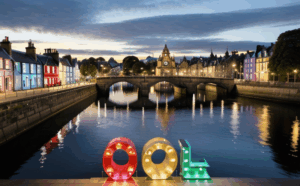
The “Live Life Well” concept, first developed in 2018 by the specialist agency The Thinking Place, faced initial hurdles due to unforeseen circumstances, including the global pandemic and insufficient uptake from the private sector. However, officials are now determined to ensure its successful implementation. They envision it as a powerful tool to elevate Perth and Kinross’s profile, drawing parallels to the impactful “People make Glasgow” slogan that has significantly boosted Scotland’s largest city. The revitalised strategy involves closer collaboration with external partners, with a focus on ensuring widespread community and business engagement this time around.
Kirsty Easton, the council’s business, place and investment team leader, underscored the modest financial outlay, clarifying that the estimated £30,000 required for the rebrand is already allocated within existing promotional budgets. Serge Merone, the strategic lead for economy, development and planning, further reassured councillors that much of the foundational work had been completed during the initial 2018 exercise, which involved extensive focus groups, workshops, an online survey, and numerous interviews with stakeholders. This groundwork is expected to streamline the current rollout, focusing efforts on practical application and communication across Perth and Kinross.
Initial public reaction to the rebrand has been varied. Some local commentators and residents have drawn light-hearted comparisons to popular lifestyle mantras such as “Live Laugh Love.” Others have raised more serious questions about the timing and appropriateness of such an investment, however modest, given the prevailing budgetary pressures faced by local councils in 2025. The council hopes that by fostering a clearer, more positive image, the region can unlock new opportunities, reinforcing its appeal as a destination for both living and visiting, from the bustling heart of Perth to the serene landscapes of Kinross-shire and Highland Perthshire. Tourist Tax Plans Shelved Amidst Business Opposition
In a separate but equally impactful decision, the committee also voted to put on hold proposals for introducing a tourist tax, or visitor levy, on overnight accommodation providers across Perth and Kinross. This means that the earliest such a charge could potentially be introduced would be March 2028, allowing time for further deliberation and, crucially, for new guidance from the Scottish Government on the flexibility councils might have in shaping these schemes.
The concept of a visitor levy has been contentious, with proponents arguing it could generate substantial annual revenue, ranging from an estimated £1.6 million to a significant £13 million. These funds, it was suggested, could be reinvested directly into enhancing tourism-related services and infrastructure throughout the region, benefiting attractions, public amenities, and transport links vital to the visitor economy.
However, the consultation process revealed strong opposition from local businesses. A notable 68% of Perth and Kinross enterprises surveyed expressed their disapproval of the proposed tax. Carse Conservative councillor Angus Forbes championed this sentiment by tabling a motion to abandon the idea of a tourist tax altogether, reflecting concerns that such a levy could deter visitors and place an undue burden on an already sensitive hospitality sector. Despite this strong plea, the majority of the committee opted for a measured approach, choosing to pause the discussions rather than dismiss the idea outright, pending the awaited guidance from Holyrood. This decision highlights the delicate balance the council seeks to strike between generating revenue for public services and supporting the vibrant local business community that forms the backbone of Perth and Kinross’s appeal.
Both the refreshed branding initiative and the delayed tourist tax underscore a period of strategic reflection for Perth and Kinross. The council is clearly seeking a cohesive vision for the future, one that champions local pride and economic growth while carefully navigating the diverse opinions and financial realities of its stakeholders. The coming years will be crucial in observing how these decisions shape the region’s identity and prosperity for residents and visitors alike.