

Perth and Kinross Council is facing mounting criticism for its refusal to provide a detailed breakdown of the £143,000 annual maintenance costs for its former offices at 1-5 High Street. This prominent Perth landmark is central to a contentious £1.9 million hotel deal that has sparked significant local debate regarding transparency and public funds.
Despite an initial commitment to release the information, the local authority only supplied a list of expenditure categories, conspicuously omitting any actual figures. This lack of detailed accountability has prompted a formal Freedom of Information (FOI) request from local media, seeking the precise financial data that remains undisclosed. The Core of the Controversy: Unaccounted Spending and Public Outcry
The estimated annual maintenance cost of £143,000 for the vacant High Street building has been a key justification for the council’s decision to award a substantial £1.9 million grant to a London-based hotel developer. This grant, which is non-repayable, will necessitate the council borrowing funds, ultimately costing local taxpayers over £4 million in repayments. The council has argued that this investment offers better long-term value than continuing to incur the ongoing upkeep costs of an empty property.
However, recent photographic exposes, revealing the dilapidated interior of the building – with peeling paint, grubby carpets, and buckets collecting water from leaks – have intensified public scrutiny. These images have led many in the Perth and Kinross community to question precisely how the £143,000 is being spent if the building remains in such a state of disrepair. A significant portion of this sum, approximately £68,000, is understood to be non-domestic rates, effectively money paid by one council department to another, raising further eyebrows about the true economic benefit. Council’s Explanation Amidst Demands for Transparency
In response to the growing public demand for clarity, Perth and Kinross Council issued a statement acknowledging the “unavoidable running costs” associated with retaining a large, vacant city centre property. The statement outlined the general categories of expenditure, including:
– Insurance premiums – Security services – Non-domestic rates – Utility costs (water, gas, electricity, reduced to minimum) – Planned maintenance (routine servicing) – Unplanned (reactive) maintenance costs
The council noted that daily cleaning and caretaking services were ceased in 2022/23 to reduce expenses. It further clarified that unplanned maintenance is typically limited to addressing immediate safety concerns rather than full restoration, given the building’s vacant status and inevitable deterioration. Despite these explanations, the absence of specific figures continues to fuel concerns about fiscal responsibility.
The council expressed hope that the recently approved hotel development proposal would soon bring the landmark building back into “productive use,” contributing to the wider regeneration of Perth city centre and supporting the local economy. This sentiment, however, is overshadowed by the prevailing questions surrounding the existing financial management of the property. A Prolonged and Contentious History
The journey to redevelop 1-5 High Street has been fraught with complications, spanning nearly two decades. Five years ago, councillors initially approved the sale of the building for a nominal £1 to a hotel developer. The first preferred bidder, Henley Homes Group, subsequently collapsed with a staggering £67 million in debts, leaving the project in limbo.
The current proposal involves Lock Terrace Ltd, a new company reportedly linked to former directors of Henley Homes. Notably, the vision for the building has evolved from the initially proposed “boutique hotel” concept of 2020 to “good quality serviced accommodation,” which no longer includes a restaurant or bar. This shift in scope, coupled with the substantial public grant, has only deepened the controversy.
Prominent local figures, including Perth and Kinross Provost Xander McDade, have been vocal critics of the decision to award the non-repayable grant. The issue also led to internal political repercussions, with Perth city centre councillor Peter Barrett reportedly ousted from his Liberal Democrat group leadership after dismissive comments about public opposition. The 17-year saga of 1-5 High Street highlights a complex interplay of political decisions, financial challenges, and community expectations for one of Perth’s historic properties.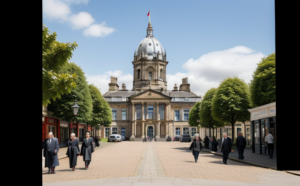
Despite an initial commitment to release the information, the local authority only supplied a list of expenditure categories, conspicuously omitting any actual figures. This lack of detailed accountability has prompted a formal Freedom of Information (FOI) request from local media, seeking the precise financial data that remains undisclosed. The Core of the Controversy: Unaccounted Spending and Public Outcry
The estimated annual maintenance cost of £143,000 for the vacant High Street building has been a key justification for the council’s decision to award a substantial £1.9 million grant to a London-based hotel developer. This grant, which is non-repayable, will necessitate the council borrowing funds, ultimately costing local taxpayers over £4 million in repayments. The council has argued that this investment offers better long-term value than continuing to incur the ongoing upkeep costs of an empty property.
However, recent photographic exposes, revealing the dilapidated interior of the building – with peeling paint, grubby carpets, and buckets collecting water from leaks – have intensified public scrutiny. These images have led many in the Perth and Kinross community to question precisely how the £143,000 is being spent if the building remains in such a state of disrepair. A significant portion of this sum, approximately £68,000, is understood to be non-domestic rates, effectively money paid by one council department to another, raising further eyebrows about the true economic benefit. Council’s Explanation Amidst Demands for Transparency
In response to the growing public demand for clarity, Perth and Kinross Council issued a statement acknowledging the “unavoidable running costs” associated with retaining a large, vacant city centre property. The statement outlined the general categories of expenditure, including:
– Insurance premiums – Security services – Non-domestic rates – Utility costs (water, gas, electricity, reduced to minimum) – Planned maintenance (routine servicing) – Unplanned (reactive) maintenance costs
The council noted that daily cleaning and caretaking services were ceased in 2022/23 to reduce expenses. It further clarified that unplanned maintenance is typically limited to addressing immediate safety concerns rather than full restoration, given the building’s vacant status and inevitable deterioration. Despite these explanations, the absence of specific figures continues to fuel concerns about fiscal responsibility.
The council expressed hope that the recently approved hotel development proposal would soon bring the landmark building back into “productive use,” contributing to the wider regeneration of Perth city centre and supporting the local economy. This sentiment, however, is overshadowed by the prevailing questions surrounding the existing financial management of the property. A Prolonged and Contentious History
The journey to redevelop 1-5 High Street has been fraught with complications, spanning nearly two decades. Five years ago, councillors initially approved the sale of the building for a nominal £1 to a hotel developer. The first preferred bidder, Henley Homes Group, subsequently collapsed with a staggering £67 million in debts, leaving the project in limbo.
The current proposal involves Lock Terrace Ltd, a new company reportedly linked to former directors of Henley Homes. Notably, the vision for the building has evolved from the initially proposed “boutique hotel” concept of 2020 to “good quality serviced accommodation,” which no longer includes a restaurant or bar. This shift in scope, coupled with the substantial public grant, has only deepened the controversy.
Prominent local figures, including Perth and Kinross Provost Xander McDade, have been vocal critics of the decision to award the non-repayable grant. The issue also led to internal political repercussions, with Perth city centre councillor Peter Barrett reportedly ousted from his Liberal Democrat group leadership after dismissive comments about public opposition. The 17-year saga of 1-5 High Street highlights a complex interplay of political decisions, financial challenges, and community expectations for one of Perth’s historic properties.