

Aberfeldy Coworking Hub Transforms Remote Work in Highland Perthshire, Embracing Outdoor Lifestyle
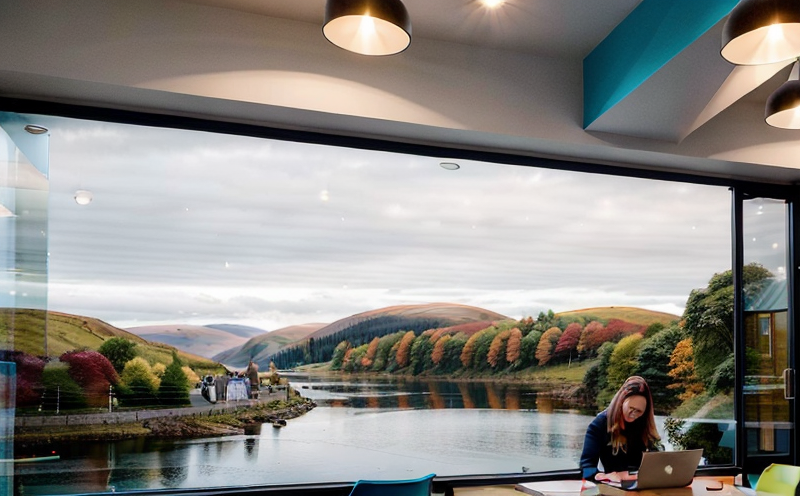
A dynamic new community initiative in Aberfeldy is redefining the landscape of remote employment in Highland Perthshire, providing a vital bridge between traditional office environments and working from home. This innovative hub addresses common challenges faced by remote professionals in rural settings, such as inconsistent internet access and feelings of isolation, by offering a dedicated and connected workspace amidst breathtaking natural beauty. Launched earlier this summer, the Aberfeldy Cowork facility in the heart of the town centre provides eleven flexible desk spaces, available for a modest daily fee of £15. Beyond individual workstations, the venue is equipped with a private meeting room, comfortable communal areas for breaks, and kitchen facilities, fostering an environment ripe for informal discussions and networking. A key highlight for users is the reliable, high-speed Wi-Fi, a crucial amenity in areas where broadband can often be a challenge. A Vision Born from Personal Experience The concept for Aberfeldy Cowork originated from the personal experiences of local visual designer, Isabella Bunell. After relocating to Aberfeldy in 2020, during the height of global lockdowns, Isabella quickly grew fond of the rural lifestyle but identified a distinct need for a professional space that could offer both productivity and social connection. Her desire for a ‘best of both worlds’ solution resonated deeply within the community. To validate this need, Isabella collaborated with Enterprise Scotland on a comprehensive feasibility study, which revealed that a significant 70% of respondents echoed her sentiments regarding the drawbacks of isolated remote work. Bolstered by these findings, Isabella, alongside a dedicated group of four local friends, successfully crowdfunded nearly £3,000 to renovate a vacant office space, transforming it into the vibrant hub it is today. Serving a Diverse Professional Landscape The Aberfeldy Cowork space operates as a Community Interest Company (CIC), signifying its commitment to operating as a not-for-profit entity driven by community benefit. Managed by a team of enthusiastic volunteers, the hub is open four days a week, welcoming professionals from a broad spectrum of industries. From ecologists and creative professionals to diligent accountants and meticulous researchers, the diverse clientele underscores the varied talents thriving within and around Perth and Kinross. The flexible booking system allows individuals to reserve desks for full or half days, while the meeting room can be booked by the hour. This adaptability makes the hub an attractive option not only for local residents but also for visitors to Highland Perthshire who require a reliable workspace to manage emails or conduct virtual meetings while enjoying a holiday in the region. This integration of local and visitor needs perfectly encapsulates Aberfeldy’s unique appeal, fostering a symbiotic relationship between its community and tourism sector. Work-Life Balance on the River Tay One of the hub’s most enthusiastic volunteers is Luc Benyon, a 42-year-old marketing professional who works for a London-based advertising technology firm. Luc’s story exemplifies the work-life balance that Aberfeldy Cowork aims to facilitate. Having moved to Aberfeldy three years prior in pursuit of a more tranquil existence, he nonetheless required a professional environment to maintain his career. For Luc, the coworking space offers an unparalleled advantage: the ability to engage in invigorating outdoor pursuits, such as paddleboarding on the majestic River Tay or running through the picturesque Birks of Aberfeldy, all within his lunch break. “This space truly delivers the best of both worlds,” Luc states, reflecting on its impact. “I’m incredibly proud to be part of an initiative that not only combats the isolation of remote work but also actively encourages creativity and productivity through community interaction.” The hub, nestled in such an inspiring setting, provides a refreshing alternative to traditional work models, enriching the lives of its users and bolstering the local economy of Aberfeldy and the wider Perth and Kinross region.
Essential A9 Upgrades North of Perth Bring Month-Long Overnight Disruption
Motorists regularly traversing the A9 dual carriageway situated just north of Perth are advised to prepare for a significant period of overnight roadworks commencing shortly. These essential infrastructure improvements, spanning approximately a month, will necessitate a series of slip-road closures and convoy systems, impacting journeys in the vicinity of Luncarty and Inveralmond. The comprehensive programme of works is being orchestrated by the national roads operating company on behalf of the Scottish Government’s transport agency. It targets a one-kilometre section of the northbound A9, aiming to enhance the longevity and safety of this vital transport artery connecting Perthshire with the wider central belt and Highlands. The project encompasses crucial drainage upgrades and extensive resurfacing operations, which are vital for maintaining the road’s integrity and preventing future deterioration. Phased Approach to Critical Road Maintenance The improvement scheme is structured into distinct phases to manage disruption effectively. It begins with a single night of drainage work, scheduled to start this Sunday. During this initial period, affected slip roads will be temporarily closed to facilitate the necessary works, with clear signage guiding drivers through alternative routes. Following the drainage phase, a more extensive period of resurfacing will commence. The first segment of this resurfacing effort is planned for the northbound A9 just north of the Inveralmond roundabout, a key junction for traffic heading to and from Perth. These works are slated to run from Sunday, October 5, through to Wednesday, October 8, with an additional night of activity on Friday, October 10. To ensure the safety of both road users and the workforce, a temporary traffic light system will be implemented alongside a 10mph convoy system. These measures will be in effect between the hours of 7pm and 6am, allowing the work to proceed efficiently while minimising daytime impact. The subsequent phase of resurfacing will then shift its focus to the Luncarty section of the A9. This stretch will experience similar overnight disruptions from Sunday, October 12, until Saturday, October 25. Throughout this period, temporary traffic lights will control the flow of vehicles, complemented by a 10mph convoy system during the evening and early morning hours (7pm to 6am). For the duration of these Luncarty works, both the on-slip and off-slip roads will be closed overnight. Detailed Diversion Routes for Local Drivers Recognising the potential inconvenience for local residents and businesses in Luncarty and Stanley, specific diversion routes have been meticulously planned. For drivers intending to exit the A9 northbound at Luncarty, the official guidance directs them to continue further along the A9 until they reach the B9099 Stanley Junction. From this point, motorists should turn left at the conclusion of the slip road, then take the first right, which leads them onto the road running parallel to the southbound A9. This route will provide access to both Luncarty and Stanley. Conversely, for those seeking to join the A9 northbound via the Luncarty on-slip, the recommended diversion involves first joining the A9 southbound. Drivers should proceed on the southbound carriageway until they reach the A9294 junction. Here, they are instructed to take the third exit at the roundabout, cross the overbridge, and then take the third exit onto the A9 on-slip to rejoin their northbound journey. These detailed diversions are crucial for maintaining local access while the critical resurfacing is carried out. Importantly, for the convenience of the local community, all temporary traffic management measures will be lifted over the weekends, allowing for unimpeded travel during these peak times. The junction connecting the B9099 and B8063 side roads will remain fully operational throughout the entire duration of the works, albeit with local traffic management in place as needed. Daytime motorists should also be aware that even when active works are not taking place, a provisional speed restriction of 30mph will be enforced. This is a safety precaution due to the temporary nature of the road surfaces and the potential absence of permanent road markings, ensuring that drivers maintain a safe speed on the affected sections. This extensive programme represents a significant investment in the region’s infrastructure, ensuring the A9 remains a safe and efficient route for all road users for years to come. Local authorities urge drivers to exercise caution, adhere to all temporary signage and speed limits, and plan their journeys accordingly to account for potential delays, particularly during the overnight operational hours. ” , “positive_prompt”: “Photo-realistic image capturing an aerial view of a section of the A9 dual carriageway near Perth at night, with construction vehicles like excavators and paver machines visible, illuminated by bright work lights. Traffic is flowing in a single lane with red tail lights and white headlights, guided by temporary traffic lights and a 10mph convoy vehicle. The surrounding landscape shows the Scottish countryside with rolling hills and distant treelines under a dark, clear sky. The scene should convey a sense of essential nighttime road construction and orderly traffic management.
A9 Southbound Near Dunblane Experiences Significant Delays Following Vehicle Overturn Incident

Motorists navigating the A9 southbound carriageway close to Dunblane are facing considerable delays this afternoon after a road traffic incident led to a vehicle overturning. The collision, which occurred specifically in the vicinity of Balhaldie, has resulted in a partial blockage of the vital route, impacting travel for many commuters and residents across Perth and Kinross. The incident has caused traffic flow to become exceptionally slow for vehicles approaching the affected stretch. Emergency services have been dispatched and police units are currently en route to the scene to assess the situation, manage traffic, and ensure public safety. Updates from official traffic monitoring bodies confirm the nature of the obstruction and advise caution. This particular section of the A9 serves as a crucial artery connecting the central belt with Perth and further north, meaning any disruption here has a ripple effect on journeys throughout the region. For those travelling from Stirling or Dunblane towards Perth, or for individuals undertaking longer journeys, additional time should be factored into travel plans. Local roads surrounding Dunblane may also experience increased volumes as drivers seek alternative routes, potentially leading to congestion in areas such as Bridge of Allan and along minor routes through Perthshire villages. Drivers are strongly urged to exercise heightened vigilance and adjust their driving to suit the prevailing conditions. Maintaining a safe distance from the vehicle ahead, reducing speed, and avoiding sudden manoeuvres are paramount. While the precise circumstances leading to the vehicle overturning are not yet fully clear, the general advice in such situations is always to prioritise safety above all else. Upon arrival, police will focus on securing the site, directing traffic away from the immediate area of danger, and initiating an investigation into the incident. Recovery operations for the overturned vehicle will be arranged, a process that can often contribute to extended periods of disruption. Commuters should anticipate that delays may persist for some time as these efforts get underway. For residents of Perth and Kinross, particularly those with essential travel plans, it is advisable to regularly check live traffic updates through local radio, reputable online services, or dedicated traffic apps. This proactive approach can help individuals make informed decisions about their routes, potentially avoiding prolonged queues and ensuring safer passage. The incident underscores the unpredictable nature of road travel and serves as a timely reminder of the importance of continuous driver awareness, especially on busy motorways like the A9. The safety of all road users remains the top priority for emergency services and local authorities responding to events such as this. We extend our thoughts to all involved and commend the swift response of emergency personnel who are working to manage the situation efficiently. Further updates will be shared by official channels as the situation evolves and more information becomes available regarding the incident and road reopening.
Tayside Care Worker Permanently Barred from Profession After Sexually Motivated Misconduct

A former social care professional in the Tayside region, Enique Kebiru Abu-Yakubu, has been permanently removed from the Scottish Social Services Council (SSSC) register following a series of highly inappropriate and sexually motivated actions against a female service user. This severe sanction underscores the critical importance of trust and integrity within the care sector, particularly for vulnerable individuals receiving support in their homes across areas such as Perth and Kinross. The incidents, which took place in March 2024 while Mr. Abu-Yakubu was employed as a care and support worker with myCare Tayside, involved deeply disturbing behaviour. The SSSC tribunal found that he had, without consent, slapped the woman referred to as ‘AA’ on her bottom. Furthermore, he was found to have leaned over her and placed his right hand on her left leg, despite her explicit verbal objections and physical attempts to push his hand away. The most egregious findings included his actions of moving his hands up her legs to indecently touch her genitals and also touching her breasts without her consent. These actions were deemed to have caused significant distress to the service user. The SSSC functions as the independent regulatory body for all social service workers throughout Scotland, including those operating within Perth and Kinross and wider Tayside. Its core mission is to safeguard the public by setting standards for practice, conduct, training, and education. The tribunal’s determination that Mr. Abu-Yakubu’s misconduct was ‘sexually motivated’ is a particularly grave finding. Such a classification indicates a deliberate and predatory intent behind the actions, representing a profound abuse of the power and trust inherent in a caregiving role. The SSSC’s regional offices, including one in Dundee, play a vital role in overseeing and enforcing these standards locally. myCare Tayside, the employer at the time of the incidents, took immediate and decisive action upon learning of the allegations. Nick Price, the managing director of myCare, issued a strong condemnation of the former employee’s behaviour. He stated, “We commend the action of the SSSC to impose a removal order on this individual. myCare Tayside condemn such abhorrent behaviour.” Mr. Price further elaborated on the company’s internal response: “Upon notification of these allegations, our immediate action was to remove this individual from work and manage through our disciplinary processes, resulting in termination of employment and referral to the SSSC.” Emphasizing the intolerance for such conduct, he added, “Such behaviours, whether in the workplace or otherwise, cannot be tolerated and the action taken by myCare was swift and appropriate.” The managing director also reiterated the company’s commitment to its workforce and clients, affirming, “We place great trust in our employees, who are all recruited and vetted to the regulatory body standards, to work in our communities both on their own and alongside colleagues. It is very upsetting and disappointing that something like this can occur in the ‘caring’ sector. We take the protection of our customers and our employees very seriously and feel our actions in this case reflect that.” While the serious nature of the incidents led to police involvement, no further criminal action was pursued by the Crown Office and Procurator Fiscal Service. It is important to note that the absence of criminal prosecution does not diminish the gravity of the SSSC’s professional findings or the severity of the misconduct identified within the care setting. The SSSC’s decision to remove Mr. Abu-Yakubu from the register was based on a thorough evaluation of the evidence. Although his cooperation with the investigation and a lack of prior disciplinary history were acknowledged as mitigating factors, these were significantly outweighed by his evident “lack of insight” into the seriousness of his actions. The tribunal concluded that this failure to fully comprehend the impact and inappropriateness of his behaviour indicated a high “probability that the behaviour is likely to be repeated,” posing an unacceptable risk to other service users. The “sexually motivated incident” constituted a “serious breach of trust,” necessitating the most severe sanction available to the regulator. This case serves as a stark reminder of the paramount importance of vigilance and robust regulation within the social care sector across Tayside, including the communities of Perth and Kinross. For residents relying on services such as care at home, end-of-life care, and dementia care provided by firms like myCare Tayside, confidence in the integrity and professionalism of their caregivers is non-negotiable. The SSSC’s decisive action reinforces that such egregious violations of professional boundaries will not be tolerated, ensuring that the safety and dignity of service users remain at the forefront of local care provision.
Perth’s Bridgend Card Centre Announces Closure Amidst Shifting Local Retail Landscape
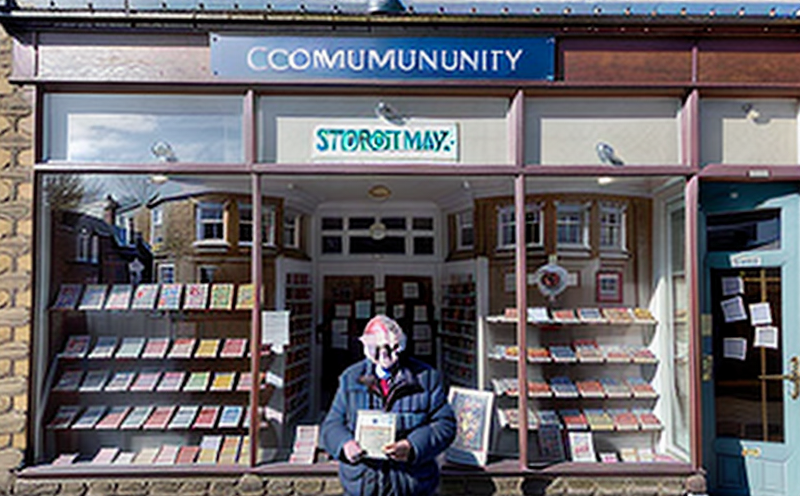
A familiar fixture of Perth’s Bridgend area, the Bridgend Card Centre, is preparing to close its doors permanently by December, marking the end of an era for many local residents. The decision stems from a significant decline in visitor numbers to the West Bridge Street premises, a challenge increasingly faced by independent retailers in the city. For over a decade, this establishment has been an integral part of News Direct Perth, a crucial newspaper distribution service serving homes and businesses across the entire city. While the card retail section will cease operations, owner Ian Morgan, a veteran newsagent with 50 years of dedicated service to Perth, reassures the community that the essential newspaper delivery arm of News Direct Perth will continue its vital work without interruption. A Legacy of Local Service and Adapting to Change Ian Morgan, at 70 years old, embodies the spirit of local enterprise and resilience. His half-century tenure as a newsagent in Perth speaks volumes about his commitment to the community. Over the years, he has witnessed and navigated numerous changes in the retail sector, consistently striving to keep his local services viable. The current premises on West Bridge Street became home to News Direct Perth over ten years ago. Initially, Ian had considered other options but quickly realised the long-term benefits of owning the property and consolidating his distribution business there. This strategic move led to the creation of the Bridgend Card Centre around 2019, an endeavour aimed at diversifying the business and better serving the neighbourhood’s needs. For several years prior, the location also housed a post office, which, unfortunately, had to close in 2022 due to dwindling customer traffic. This earlier closure foreshadowed the pressures now impacting the card shop. Economic Headwinds and Community Impact The decision to close the card centre was not made lightly and highlights the growing economic pressures on small businesses in Perth. Ian explains that the card shop has, for some time, been financially supported by the more robust newspaper distribution service, to the tune of approximately £1,500 per month. This unsustainable model, coupled with a persistent lack of pedestrian activity on West Bridge Street, made continued operation unfeasible. The rising cost of goods and services, particularly postage, has further exacerbated the situation. As Ian poignantly notes, the expense of sending a greeting card can sometimes outweigh the cost of the card itself, a clear indicator of the financial squeeze affecting both consumers and retailers alike. This trend reflects broader national challenges but has a very tangible local impact on the everyday choices of Perth and Kinross residents. News Direct Perth: Continuing an Essential Service Despite the closure of the card shop, News Direct Perth remains fully operational and committed to its customers. The newspaper distribution service, which currently boasts eight delivery vehicles, is a cornerstone of the community, ensuring that daily news reaches homes across the city. Patrons will still be able to visit the premises to purchase newspapers in person, as the storefront will continue to be staffed until 11 am. A card machine and till will also remain available for these transactions, ensuring a smooth transition for existing customers. The closure of Bridgend Card Centre serves as a stark reminder of the evolving retail landscape and the importance of community support for local businesses. While saying goodbye to a beloved card shop is difficult, the enduring dedication of Ian Morgan and the continued service of News Direct Perth ensure that a piece of Perth’s commercial heritage will persist, adapting once again to serve its loyal clientele. To assist with the transition, all greeting cards at Bridgend Card Centre are currently reduced by 50% while stocks last. The shop is expected to conclude its operations by December, offering a final opportunity for residents to support this local venture before its closure.
Perth City Centre Landmark Heads to Auction, Offering Fresh Opportunities

A well-known establishment in the heart of Perth, a venue that has long served as a focal point for social gatherings and entertainment, is now poised for a significant transition as it heads to auction. This upcoming sale represents a pivotal moment for a property with a rich history, presenting new possibilities for its future role within the city’s vibrant landscape. The pub, which has operated under its current identity for six years on Canal Street, quickly became synonymous with lively evenings and community spirit. Before its most recent incarnation, the premises housed ‘The Green Room’ from 2014 to 2019, itself a popular spot that catered to a diverse clientele seeking live music and a vibrant atmosphere. Building on this legacy, the pub embraced its role as a hub for local musicians, student nights, and various community-focused events, carving out a distinct identity in Perth’s entertainment scene. The Property and Upcoming Auction The auction for this expansive property is scheduled for October 9, marking a crucial date for potential investors and community stakeholders alike. Spanning an impressive 4,736 square feet across two distinct floors, the building offers substantial space with considerable potential for redevelopment. Interested parties will have the opportunity to participate in a livestream auction, with bids accepted online, via telephone, or by proxy, ensuring broad accessibility for all prospective buyers. A key aspect highlighted by the selling agents is the property’s need for a comprehensive refurbishment. This requirement positions the acquisition as a blank canvas for visionary developers, offering a chance to revitalise a prominent city centre asset. The need for modernisation can be seen not as a challenge, but as an exciting opportunity to craft a bespoke space tailored to contemporary demands and future trends. Vast Potential for Transformation The strategic location and generous dimensions of the property lend themselves to a multitude of potential uses, promising to significantly contribute to the ongoing evolution of Perth’s urban fabric. One notable option is its conversion into residential flats, addressing the growing demand for city-centre living. Such a development could introduce stylish, modern homes within easy reach of Perth’s amenities, enhancing the residential appeal of Canal Street. Alternatively, the property could be transformed into short-term serviced accommodation. With Perth being a popular destination for tourists and business travellers, this would cater to the city’s thriving visitor economy, offering convenient and modern lodging options that could attract a steady stream of guests. For those looking to retain a commercial focus, the building is exceptionally well-suited for a range of new business ventures. Its ample space and central location make it ideal for establishing new cafés, restaurants, or even a dedicated live music venue, continuing its historical association with entertainment. A renewed music venue could once again draw crowds, bolstering Perth’s cultural offerings and providing a stage for local talent. Beyond hospitality, the property’s adaptable layout also opens doors for flexible shared workspaces, meeting the evolving needs of small businesses and freelancers in Perth and Kinross. A significant advantage of the building is its separate access to the upper floor. This architectural feature immediately suggests the possibility of multiple revenue streams, allowing for a diverse mix of uses. For instance, the ground floor could host a vibrant restaurant, while the upper level could house residential units or flexible office spaces, each operating independently while contributing to a dynamic mixed-use development. A Look Back and Forward The building’s recent history includes a period of unexpected closure in 2023, lasting almost a year. This was due to considerable water damage caused by a burst pipe during a spell of freezing weather, a setback that temporarily paused its lively operations and affected its loyal patrons. Despite this challenge, the establishment showcased its innovative spirit earlier in 2021, emerging from the lockdown period by launching its own craft beverage, ‘Mucky’s Craft Lager’. This initiative demonstrated a commitment to reinvention and a keen understanding of local tastes, further embedding its presence within the community. Prospective buyers and interested community members are invited to an open viewing of the property. This will take place on October 2, from 12pm to 12:30pm, offering a brief window to inspect the premises firsthand. This viewing is a crucial opportunity for anyone considering making a bid or simply curious about the future of this significant Perth landmark. The impending auction on October 9 is more than just a property sale; it’s an opportunity to reshape a piece of Perth’s heritage. The successful bidder will not only acquire a substantial building but also the chance to contribute to the economic and cultural revitalisation of Canal Street and the wider Perth city centre. The local community will undoubtedly watch with keen interest to see what new chapter unfolds for this much-loved location.
Perth Widow Calls for Urgent NHS Tayside Review After Husband’s ‘Cruel’ Cancer Death Following Alleged Misdiagnoses
A Perth widow is bravely coming forward to share her devastating experience with NHS Tayside, seeking urgent changes in patient care after her husband, Gordon Lafferty, succumbed to terminal cancer just weeks after his symptoms were reportedly dismissed as psychological. Gordon, a respected 74-year-old businessman and a beloved figure in the local community, passed away on August 21, leaving behind a heartbroken family. His wife, Margaret, believes his death was made crueler by what she describes as a series of misdiagnoses and a failure to adequately investigate his deteriorating health. For decades, Gordon was a pillar of the Perth community. In 1979, he founded The Bedroom Centre in Perth with a modest £200, building it into a well-known local enterprise. He remained actively involved in the business until very recently. Beyond his entrepreneurial spirit, Gordon was remembered as an ardent footballer whose professional dreams were cut short by injury. Those who knew him best affectionately described him as a “true gentleman, and truly a gentle man”—a testament to his kind and honourable character. He was a devoted husband, doting father to Claire, Hazel, and Scott, and a cherished grandfather. This vibrant life, however, took a tragic turn six months ago when he first fell ill. The ordeal began on a Sunday evening in March when Gordon experienced sudden weakness in his arm and leg, accompanied by his left eye rolling back. Margaret, recognizing the signs, immediately contacted emergency services, referencing the ‘Act FAST’ stroke awareness campaign. Despite her concerns, paramedics were initially hesitant, only agreeing to transport him to Perth Royal Infirmary (PRI) after further consultation. Upon arrival at PRI’s Accident and Emergency department, the couple endured an agonizing wait of several hours. Margaret recounted her repeated attempts to convey the urgency of Gordon’s condition, only to be told that the department was overwhelmed with limited staff. Exhausted and disheartened, Gordon eventually returned home without a definitive diagnosis or treatment. The following morning, prompted by their GP, Gordon was directed to Ninewells Hospital in Dundee, where, eighteen hours after his first symptoms, a stroke was finally confirmed. During his two-week admission at Ninewells, Gordon developed severe stomach pains and persistent vomiting. Doctors attributed these symptoms to diverticulitis, advising dietary changes such as avoiding nuts and tomatoes. Despite these issues, initial scans and blood tests did not indicate any underlying severe conditions, leading to a focus on the diverticulitis diagnosis. However, once back home in Perth, Gordon’s condition worsened dramatically. His appetite vanished, leading to rapid weight loss. Every attempt to eat, even a simple sip of soup, resulted in violent vomiting. Margaret’s pleas for further investigation were met with reassurances that his symptoms were likely linked to the stroke, medication side effects, or even psychological factors, with suggestions of psychiatric support. Margaret, trusting the medical professionals, was left bewildered as she watched her husband waste away, a cupboard full of prescriptions offering no real answers. By July, the relentless vomiting became unbearable, prompting Margaret to drive Gordon back to Ninewells herself. It was during this visit that a new perspective emerged. Doctors noted an old scar from a childhood spleen removal and hypothesized it might be causing a bowel obstruction, necessitating exploratory surgery. The truth revealed during this operation was shattering. The surgeon, visibly shocked, informed Margaret that Gordon’s internal organs were “riddled with cancer” and that the disease had spread throughout his stomach lining. There was nothing more they could do. When Gordon bravely asked for a prognosis, the answer was brutal: “Weeks.” He was told he would never eat again, effectively starving to death. In his final weeks, Gordon expressed a profound desire to be at home, to find comfort in his own bed and in Margaret’s embrace. They remained at home until his very last hours, when, for his safety and care, he was reluctantly moved to the Cornhill Macmillan Centre. He passed away there, surrounded by his loving family. For Margaret, her immense grief is now intertwined with a fierce resolve. She believes her husband’s prolonged suffering and eventual death could have been mitigated if his initial and persistent symptoms had been thoroughly investigated. She highlights a critical need for doctors to truly listen to patients and their families, to avoid dismissive attitudes, and to ensure that diagnostic tests are comprehensive and reliable. She also pointed to recent reports indicating that NHS Tayside’s urgent cancer treatment wait times are among the worst in Scotland. “The system is broken,” Margaret asserts, emphasizing that her criticism is directed at the broader healthcare structure, not the nurses, whom she describes as “wonderful.” She fears that other individuals in Perth and Kinross may be enduring similar harrowing experiences, with potentially tragic consequences due to systemic failings. In response to Margaret’s concerns, a spokesperson for NHS Tayside extended “sincere condolences to Mr Lafferty’s family.” Citing patient confidentiality, they stated they could not comment on individual cases but confirmed that Mr. Lafferty’s family had previously raised concerns that were investigated, with the findings shared directly with them. NHS Tayside further invited the family to contact their patient experience team to discuss any additional concerns.
Blairgowrie High Street Poised for Vibrant Revival with Ambitious New Development
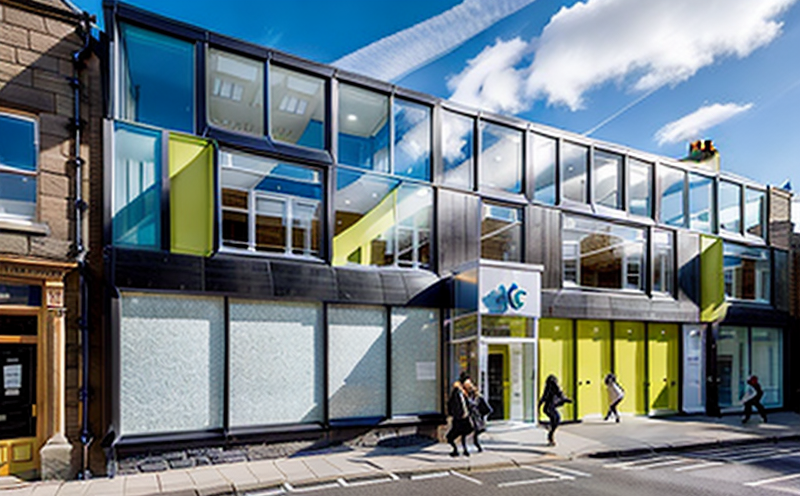
A dynamic and comprehensive plan is underway to inject new life into Blairgowrie’s bustling High Street, promising a fresh era of community and commerce. Kevin Donald, a 54-year-old local entrepreneur with deep roots in the town, is spearheading the ambitious redevelopment of the prominent building that formerly housed M&Co. His vision extends beyond mere retail, aiming to create a multi-faceted hub that will significantly boost footfall and engagement in the heart of Blairgowrie, a vital hub within Perth and Kinross. The closure of M&Co in 2023 left a noticeable void on the High Street, reflecting a trend seen in many Scottish towns. Donald, who previously owned Mitchells Newsagents in Blairgowrie for 13 years, recognized the potential of the large, well-situated property. Rather than simply seeking a like-for-like replacement, he envisioned a diverse offering that could cater to a broader spectrum of local needs and interests, thereby strengthening the town’s overall appeal. His proposals, which are currently awaiting planning permission, reflect a keen understanding of modern town centre dynamics, where a mix of uses often outperforms single-purpose retail. Transforming Retail and Cultivating Workspaces The ground floor of the former M&Co premises is set for a flexible transformation into either four smaller, distinct retail units or two more expansive shopping spaces. This adaptability is key to attracting a variety of businesses, potentially including a new clothing or shoe outlet, which would fill a gap created by recent local closures like The Factory Shop. By offering diverse retail options, the aim is to draw more shoppers to the High Street, encouraging them to explore other local businesses in turn. This strategic approach acknowledges the interconnectedness of local enterprises and the positive ripple effect new businesses can have. Beyond retail, Donald’s plans include the creation of modern, flexible office, workshop, or meeting spaces on the upper levels of the building. This element of the development is particularly forward-thinking, catering to the growing demand for adaptable professional environments in more rural settings like Blairgowrie. Six individual office spaces are envisioned at the rear of the building, each accessible via a keypad entry system, allowing for flexible booking arrangements. Tenants would benefit from shared kitchen facilities and toilet amenities, fostering a collaborative yet independent working environment. The presence of professionals working on the High Street would naturally translate into increased custom for local cafes, eateries, and shops, providing a consistent boost to the local economy throughout the working week. A Community Hub for Movement and Expression Perhaps one of the most exciting additions to Blairgowrie’s cultural landscape will be a dedicated dance studio, planned for the basement level of the building. This creative space is designed to be fully accessible, with separate entry from the rear of the property and a dedicated drop-off zone for children, ensuring safety and convenience for young participants. The inclusion of a disabled toilet in the basement further underscores the commitment to inclusivity. Such a studio could become a vibrant centre for performing arts in Blairgowrie, offering classes for various age groups and abilities, from toddlers taking their first steps in ballet to adults exploring new dance forms. It represents a significant investment in community well-being and cultural enrichment, providing opportunities for physical activity, artistic expression, and social connection that are invaluable to any town. A Passion for Blairgowrie’s Future For Kevin Donald, this venture is clearly more than just a commercial undertaking; it’s a profound expression of his dedication to his hometown. Having lived in Blairgowrie his entire life and having run a successful local business for over a decade, his motivation is rooted in a desire to see the town thrive. He openly acknowledges the challenges but is driven by a deep-seated commitment to contribute positively to Blairgowrie’s future. His sentiment, that ‘it doesn’t matter what goes in the shops – as long as they’re occupied, that’s what counts,’ perfectly encapsulates the community-first approach driving this ambitious project. This kind of local initiative is crucial for towns across Perth and Kinross, demonstrating how individual passion and foresight can lead to significant urban renewal and community benefits. The proposed development promises to breathe new life into a key High Street property, transforming it into a dynamic hub that combines essential retail, flexible workspaces, and a much-needed cultural facility. If approved, this project will not only address commercial vacancies but also foster a stronger sense of community and economic vibrancy in Blairgowrie, setting a positive example for other towns looking to revitalise their centres.
Perth Racecourse Hosts Spectacular Glorious Finale, Drawing Crowds for Two Days of Exciting Racing and Festivities

The historic Perth Racecourse recently concluded its eagerly anticipated Glorious Finale, a two-day extravaganza that brought together fervent racing enthusiasts and curious visitors for one of the most celebrated events on Perthshire’s social and sporting calendar. The grand finale served as a vibrant showcase of Scottish racing heritage, drawing a diverse crowd eager to witness thrilling races and soak in the festive atmosphere. Day two of the event, in particular, saw an impressive turnout, with the grounds bustling with energy. Attendees, many dressed in their finest race-day attire, enjoyed a perfect blend of competitive action on the track and lively social gatherings off it. The sun-drenched occasion provided countless opportunities for camaraderie and celebration, with groups from various corners of Scotland and beyond making the journey to Scone Palace Park. A Tapestry of Faces and Festivities Among the many cheerful faces captured during the event were several notable groups, each adding their unique flavour to the occasion. A contingent from Fettercairn, including Yvonne Doig, Gemma Ancliff, Susan Cunningham – who was celebrating a significant 50th birthday milestone – Diane Henderson, Sandra Mill, June Dalgetty, and Eleanor Tulewicz, Susan’s mother, highlighted the personal celebrations woven into the public spectacle. Their shared joy underscored the role of such events as a backdrop for cherished memories. The appeal of the Perth Racecourse extended beyond local boundaries, with Moggy Hennessy and Lucy Murrell journeying all the way from Suffolk to be part of the festivities, demonstrating the national draw of this esteemed fixture. Closer to home, Judy Murdoch, Katie Marshall, and Alana Cowie from Activis in Oldmeldrum represented local businesses and communities enjoying a day out. Meanwhile, Kirsty Ross and Julie Robertson from Stena Drilling in Aberdeen also joined the throng, showcasing the widespread enthusiasm for the races. Moments of Joy and Shared Passion The spirit of camaraderie was palpable throughout the racecourse. One particularly heartwarming moment involved Patricia Livingstone from Burntisland and Morag Sinclair from Aberdeen, who were seen sharing an emotional hug following the conclusion of the 13:58 race. This spontaneous display of shared excitement epitomised the passion that horse racing ignites in its followers. Patricia and her husband Iain Livingstone, alongside Morag and her husband Sandy Sinclair, shared their collective enjoyment of the day, a testament to enduring friendships forged around shared interests. Families also found the Glorious Finale to be an ideal setting for multi-generational gatherings. The Gettings family, with patriarch Harry celebrating his 70th birthday, brought together three generations: Harry, his grandson Noah (aged 1), daughter-in-law Nicola, son Peter from Abernethy, and daughter Heather Casey from St Cyrus. Such gatherings underscore the event’s capacity to transcend age groups, offering enjoyment for everyone from the youngest attendees to seasoned racegoers. Jenny Armstrong and Alma Ogle from Northern Ireland, and friends Amy Dickson and Tracey Lunn, further exemplified the diverse geographical and social backgrounds of those united by a love for the spectacle. The Enduring Charm of Perth’s Racing Tradition The Glorious Finale is more than just a series of races; it is a long-standing tradition deeply embedded in Perth’s cultural fabric. For two days, the racecourse becomes a vibrant hub where the thrill of competition meets the joy of social interaction. Spectators eagerly watched the horses being paraded in the ring before each race, scrutinizing their form and placing their bets, adding an element of suspense and engagement to the proceedings. From the precise timing of the 13:58 first race to the nail-biting finishes, each moment contributed to the event’s unforgettable allure. The sight of crowds intently watching the horses, sharing predictions, and celebrating victories (or commiserating losses) painted a vivid picture of collective enjoyment. The meticulously dressed attendees, from elaborate hats to smart suits, contributed to the overall sense of occasion, making it a feast for the eyes. As the final races concluded and the crowds slowly dispersed, there was a clear sense of satisfaction and anticipation for next year’s event. The Glorious Finale at Perth Racecourse once again proved its status as a premier event in the region, bringing communities together and celebrating the timeless excitement of horse racing in a truly magnificent setting. Its enduring popularity is a testament to its vibrant atmosphere, rich history, and the sheer joy it brings to all who attend.
Tayside Protests Stretch Police Resources, Impacting Perth and Kinross Officers’ Rest Days
Recent anti-immigration demonstrations across Tayside, including significant events in Perth and Dundee, are placing considerable strain on Police Scotland’s resources, according to the force’s Chief Constable, Jo Farrell. This intensified operational environment is notably affecting the work-life balance of officers, with many reportedly losing designated rest days to cover these public order duties. Chief Constable Farrell highlighted the scale of the challenge during a recent public meeting of the Scottish Police Authority Board in Edinburgh. She revealed that just over one recent weekend, almost 300 officers were deployed to manage various protest activities across Scotland. These deployments stretched across key areas such as Glasgow, Falkirk, Dundee, and importantly for our local community, Perth. The protests in Perth, particularly one tense standoff outside the Radisson Blu Hotel on Leonard Street in August, saw approximately 300 individuals participating in both anti-immigration rallies and counter-protests. Similarly, Dundee has witnessed repeat demonstrations, such as those at Alloway Terrace, where two men were recently charged following protest activity. Earlier events at the same Dundee location had already escalated to include the throwing of eggs, necessitating a more robust police presence in subsequent gatherings to keep opposing groups separate. The Cost of Maintaining Public Order The impact of these ongoing demonstrations extends beyond just maintaining public order. Chief Constable Farrell underscored the significant financial cost to Police Scotland and the personal toll on its workforce. Officers are often required to cancel their rest days, directly affecting their well-being and ability to recuperate. This reallocation of personnel is a critical concern, as it directly impacts the force’s capacity to perform its core duties. Even as resources are diverted to manage protest lines, the fundamental responsibilities of policing do not diminish. Officers must concurrently continue to investigate serious crimes, ranging from murders and attempted murders to terrorism offences and child sexual abuse. The Chief Constable emphasized that despite the demands of protest management, the force remains committed to securing justice for families and bringing offenders to account, citing recent arrests linked to significant incidents and ongoing operations like Operation Portaledge. Adapting to Modern Challenges Beyond the immediate pressures of public protests, Police Scotland is also actively working to enhance its capabilities in other rapidly evolving areas of crime. The Chief Constable mentioned enforcement actions against retail crime and drug offences, indicating a broad scope of operational challenges. Furthermore, the force is collaborating with academic institutions, such as Abertay University’s cyberQuarter, to develop cutting-edge strategies and expertise to combat increasingly complex cyber-crime threats. This proactive approach ensures that while responding to immediate visible challenges, the police are also preparing for future criminal landscapes. For residents of Perth and Kinross, the implications are clear: local policing resources, while dedicated, are finite. The commitment of officers to maintain peace and safety in the Fair City, from routine patrols to responding to critical incidents, is being tested. The ongoing nature of these large-scale public events requires careful consideration of how policing is funded and resourced to ensure the safety and security of all communities across Tayside, including our own.