

Perthshire Courts Address Diverse Offences: Dangerous Driving, Hate Crime, and Public Order Incidents

The judicial system across Perth and Kinross, alongside the wider Tayside and Fife regions, has recently concluded a range of cases, shedding light on incidents from public disturbances and road safety breaches to more severe matters of assault and hate crime. These legal proceedings underscore the continuous dedication of our local courts to uphold the law and safeguard communities, reflecting the varied challenges encountered within our urban centres and rural landscapes. Residents in Perth and Kinross will find particular relevance in cases adjudicated at Perth Sheriff Court, which directly addressed significant events that occurred within our own localities. One such case saw James Soutar, a 23-year-old from Kirkcaldy, brought before Dundee Sheriff Court following a violent episode in Broughty Ferry. The court heard how Soutar initiated an unprovoked attack on a man at an address on The Esplanade in July of the previous year. After forcing the victim to the ground, Soutar proceeded to straddle him and deliver multiple punches to his head, resulting in injuries. Soutar admitted his culpability, leading to a court order mandating he provide £500 in compensation to the individual he assaulted. This resolution aims to offer some recompense for the harm inflicted during the attack. Another regional case involved Kieran Dorian, identified as a serial stalker from Tayside. Forfar Sheriff Court found Dorian guilty of persistent harassment against a salon worker. During the trial in July, disturbing testimony revealed that Dorian had chillingly informed his victim that he had ‘hid like an assassin’ while closely observing her during a night out in Dundee. This conviction highlights the grave nature of stalking and the protective measures the courts implement against such behaviour. Dangerous Driving on Perthshire Roads Closer to home, Perth Sheriff Court recently handled the case of Neil Findlay, a 72-year-old resident of Comrie. His dangerous driving led to a head-on collision on the A85, the main route connecting Comrie and Crieff, on March 12 this year. Findlay admitted to the offence, explaining to the court that he was momentarily ‘blinded by the sun,’ which caused him to drift into the opposing lane. There, his grey Vauxhall Corsa collided with an oncoming bus. Fortunately, the bus driver and its sole passenger escaped without injury, though Findlay himself sustained a broken shinbone in the crash. Addressing Sheriff William Wood directly, Findlay confirmed he had voluntarily surrendered his driving licence and expressed no intention of driving again. Acknowledging the severity of the incident but also the driver’s commitment to cease driving, the court imposed a fine of £600 and a one-year driving ban. This case serves as a poignant reminder of the continuous vigilance required on Perthshire’s beautiful yet at times challenging roads. Assault at a Perth Nightspot Perth Sheriff Court also saw Christianne Fahey, a professional boxer known to compete in the super middleweight division, appear on assault charges. Fahey admitted to two counts of assault stemming from an altercation at the popular Bank Bar in Perth during February. The incident, described in court as a ‘rammy,’ involved Fahey lashing out at security staff. The court’s decision in this case resulted in a sentence of unpaid work, underscoring that professional standing does not exempt individuals from accountability for their actions in public spaces within Perth. Transphobic Hate Crime in Crieff A significant case involving hate crime was also heard at Perth Sheriff Court, where Daniel Williams, 35, from Arbroath, faced charges for a transphobic outburst in Crieff, a well-known town in Perthshire. Williams pleaded guilty to behaving in a threatening or abusive manner towards his former partner and her friend, a trans woman. The charge was explicitly aggravated by prejudice relating to transgender identity, emphasising the gravity with which such discriminatory behaviour is treated by the legal system. The fiscal depute, Sarah High, detailed the events of July 12 this year, when Williams went to his ex-girlfriend’s Crieff home to collect his belongings. The items had been left outside, and Williams’ ex and her friend were out for a walk. They encountered Williams, who began to shout aggressively, questioning ‘Just you walk off with it,’ and ‘what are you doing with it?’ He then verbally abused the pair, referring to them as ‘you and your boyfriend.’ Both individuals perceived these remarks as overtly transphobic. The situation escalated when they again saw Williams, who continued his tirade, calling the friend a ‘weirdo’ and explicitly stating, ‘You’re nothing but a f***ing man.’ The victims retreated to the property, but Williams later approached with a broken glass bottle, striking the front door and issuing a chilling threat to ‘smash your f***ing windows.’ Despite his subsequent denial to police that he had been threatening, Williams admitted in court that his remarks were indeed offensive. Sheriff William Wood sternly addressed Williams, stating that his behaviour was ‘grossly offensive’ and could have warranted a custodial sentence. He clarified that while personal opinions are not unlawful, their public expression becomes illegal when it involves abusive behaviour. Williams, residing in Gedy Place, Arbroath, was ordered to pay a substantial fine of £1,400, reflecting the gravity of the hate crime committed within the Perthshire community. Dundee Nightclub Altercation and Glenrothes Blade Attack In Dundee, a chaotic scene unfolded at the nightclub Pout, resulting in a mass brawl that left two men injured. The sentencing hearing for Daniel Stewart (28), Alex McGowan (35), and Arran Brown (30) detailed how one of the victims sustained head wounds and even ‘foot impressions’ on his body. This incident serves as a stark reminder of the potential for violence in nightlife settings and the consequences faced by those involved in such public disturbances. Finally, Glenrothes Sheriff Court concluded a distressing case involving Leon Edwards, 27, of Lawson Gardens, Kirkcaldy. Edwards was sentenced for a blade attack on a friend during a drinking session in a guest room at Gilmour Court Care Home, a sheltered housing complex in Glenrothes, on January 20 of last year. Edwards had arranged the room through his grandmother, a resident, for socialising. Following an argument
Transparency Under Scrutiny: Watchdog Launches Intervention into Perth and Kinross Council Over Unrecorded £128k Role Axe

Perth and Kinross Council finds itself at the centre of a formal inquiry by the Scottish Information Commissioner, sparked by the lack of documentation surrounding the termination of a high-profile, £128,000-a-year director position. The Commissioner has initiated an intervention, raising serious questions about the local authority’s record-keeping practices and suggesting a potential attempt to sidestep public accountability. The saga began when a Freedom of Information request sought details on internal communications regarding the abrupt departure of Alison Williams, who had served just six months as the Director of Economy, Place and Learning. This crucial role oversees a broad spectrum of vital public services within the region. Astonishingly, the council initially asserted that no written records existed related to Ms. Williams’ exit or the subsequent decision by Chief Executive Thomas Glen to abolish the position entirely. This revelation was met with profound concern by the information watchdog. Further inquiries revealed the council’s contention that all decisions regarding the directorship were made during unrecorded verbal discussions involving Mr. Glen. This explanation only heightened the Commissioner’s apprehension. Following an appeal against the council’s response, the Scottish Information Commissioner issued a strong reprimand in June, instructing the council to conduct a more thorough search for relevant documentation. However, the subsequent re-submission from the local authority once again declared the absence of any records pertaining to the significant change in its senior management structure. Formal Intervention Escalates Scrutiny In light of the council’s repeated failure to produce documentation, the Scottish Information Commissioner has escalated the matter to a ‘Level 2 intervention.’ This level of scrutiny is specifically designed to address systemic failings in public authority practices and mandates concrete steps to rectify the identified issues. The move underscores the gravity with which the Commissioner views the council’s apparent lack of transparency. Commissioner David Hamilton expressed his profound concern, stating: At face value, the decision to abolish a director-level post – responsible for the delivery of a wide range of key public services – without a single record being kept, seems astonishing. He further emphasized the critical importance of robust record-keeping for effective governance, citing: As the Code of Practice on Records Management sets out, good record keeping is the lifeblood of an organisation – it helps to support good practice, demonstrate robust decision-making and ensure compliance with the law. The intervention will delve into two key areas: assessing the extent of the council’s compliance with the official Code of Practice on Records Management, and crucially, investigating whether this was a deliberate policy to evade public scrutiny. Mr. Hamilton affirmed his commitment to recommending remedial action where necessary, highlighting the imperative for public bodies, including Perth and Kinross Council, to uphold the principles of openness and accountability to their taxpayers and the wider community. Council Chief Executive Maintains Stance Amidst Growing Concerns Despite the formal intervention, Thomas Glen, the £167,000-a-year Chief Executive, continues to defend the council’s actions. He conveyed to reporters that while the Scottish Information Commissioner has notified them of the intervention, he believes the council has consistently responded appropriately to the original enquirer and to the commissioner throughout. He assured full cooperation with the ongoing inquiries, yet his statement leaves many in the community wondering about the underlying reasons for the absence of records regarding such a significant administrative change. This is not the first instance where Perth and Kinross Council’s transparency has been called into question. Earlier in January, the council issued an apology for erroneously withholding information regarding a £4,500 relocation fee paid to Ms. Williams when she first took up the director role. The council had initially deemed this information not to be in the public interest, a decision that was subsequently overturned. Furthermore, Audit Scotland confirmed in January that the circumstances surrounding Ms. Williams’ departure would form part of their comprehensive 2024/25 review of the local authority’s operations. The cumulative effect of these incidents has placed Perth and Kinross Council’s governance and transparency firmly under the spotlight, demanding clear answers for the residents it serves.
Railway Line Closure Near Dunkeld Disrupts Perthshire Travel

A significant disruption to rail services between Perth and Dunkeld caused considerable inconvenience for commuters and travelers throughout Perthshire on Thursday. The incident, which involved a vehicle leaving the road and ending up on the railway tracks near Murthly Sawmill, resulted in a complete closure of the line for several hours during the morning peak. Emergency responders were swiftly deployed to the scene, their arrival coinciding with the temporary closure of a section of the nearby road. This added precaution ensured the safety of both emergency personnel and the railway line workers engaged in the complex operation to recover the vehicle. A Challenging Recovery Operation The recovery process proved to be lengthy and complex. Specialized equipment, including a heavy-duty crane, was required to carefully lift the vehicle from its precarious position on the tracks. The precision involved minimized the risk of further damage to the railway infrastructure, highlighting the expertise of the teams involved. The meticulous nature of the recovery underscored the importance of ensuring the safety and functionality of the railway line for future use. Throughout the duration of the incident, train services experienced significant delays and cancellations. Passengers faced the prospect of extended journeys or alternative transportation arrangements. Many local businesses dependent on reliable train connectivity for staff and deliveries also faced challenges due to the disruption. Impact on the Perthshire Community The incident had a ripple effect across the Perth and Kinross community. Local residents expressed frustration at the inconvenience caused, particularly those relying on public transport for their daily commutes to Perth or beyond. The disruption extended to visitors traveling to Dunkeld, a popular tourist destination known for its stunning scenery and historic attractions, such as Dunkeld Cathedral. The disruption highlighted the crucial role that efficient railway transportation plays in the region’s economy and daily life. The quick response of the authorities and the successful removal of the vehicle, however, also demonstrated the effectiveness of the emergency services in managing this type of unexpected crisis. This type of incident serves as a reminder of the potential vulnerabilities of essential infrastructure and the importance of preparedness. Post-Incident Assessment and Future Considerations Once the vehicle was safely removed, a thorough inspection of the railway line was undertaken to ensure no hidden damage had occurred. Thankfully, the inspection revealed no significant problems, and the line was reopened as quickly as possible, restoring vital connectivity for the Perthshire community. The smooth restoration of services is a testament to the well-coordinated efforts of Network Rail and the emergency services involved. This incident underscores the need for continued vigilance in safeguarding crucial transport routes. Further review of preventative measures, road safety measures near the railway line, and potential improvements to the response protocol could be considered to minimize the impact of similar events in the future. The incident also brought into focus the importance of robust emergency plans and the necessity for inter-agency collaboration in effectively managing such crises. The incident served as a stark reminder of the interconnectedness of transport systems and their influence on the economic and social fabric of Perthshire. The smooth resolution of the situation, while undeniably disruptive, reflects the commitment of relevant agencies to ensuring the resilience of the region’s transport infrastructure and public safety. In the aftermath of this incident, the Perth and Kinross community can take comfort in the knowledge that emergency services are well-equipped to deal with unexpected events. The efficient resolution of this disruption provides valuable lessons in how to mitigate the effects of future incidents, thus improving the overall reliability and safety of the rail system serving the area. This coordinated response ensured a timely return to normalcy, minimizing prolonged disruptions to commuters, travelers, and the local economy. Future discussions on enhancing road safety and emergency response protocols will likely stem from this experience, enhancing the region’s preparedness for unforeseen occurrences.
Perth Community Sees Justice Served for Historical Child Abuse at Colonsay Home

Perthshire Rail Link Disrupted: Services Between Dunkeld and Perth Suspended Due to Track Obstruction

Train services connecting Perth with picturesque Dunkeld & Birnam were brought to a standstill this morning following reports of a vehicle obstructing the railway line. The unexpected incident prompted immediate cancellations, causing considerable inconvenience for early commuters and travellers across Perthshire. Local residents and visitors relying on this vital rail corridor faced significant travel challenges as the Scottish rail network grappled with the disruption. The affected stretch of line runs through a key part of Perth and Kinross, impacting those travelling between the historic city of Perth and the charming town of Dunkeld, nestled on the banks of the River Tay. Emergency Response and Track Assessment Underway Network Rail, the custodian of the country’s railway infrastructure, swiftly initiated an emergency response. Their teams are actively coordinating with local authorities to safely remove the obstructing vehicle from the track. This delicate operation is crucial not only for clearing the line but also for ensuring the integrity of the railway infrastructure. Following removal, a thorough assessment of the track will be necessary to identify and address any potential damage caused by the vehicle, preventing further safety risks or delays. ScotRail, the primary train operator for the route, issued an urgent advisory to its passengers, warning of potential service interruptions until approximately 10:00 AM today. Commuters planning journeys during this window were encouraged to seek alternative arrangements or prepare for extended travel times. Impact on Specific Services and Alternative Travel Options One of the directly affected services was the 6:38 AM train from Inverness, originally destined for Edinburgh. This particular service was terminated prematurely at Pitlochry, a popular tourist destination further north in Perthshire, requiring passengers to disembark and find alternative transport for the remainder of their journey south. Recognising the immediate need for continued connectivity, ScotRail confirmed that train tickets would be honoured on Scottish Citylink bus services operating between Perth and Inverness. This provision aimed to mitigate the impact on passengers, offering a temporary road-based alternative for those needing to travel between these key locations. Updates from Network Rail Scotland in the early hours of the morning, specifically at 6:10 AM, confirmed ongoing collaboration with emergency services to formulate a strategy for removing the vehicle. Despite the significant disruption between Perth and Dunkeld, it was reassuring to note that rail operations were continuing normally on the section of the Highland Main Line north of Pitlochry, maintaining connectivity for communities between Pitlochry and Inverness. Ensuring Safety and Minimising Disruption for Perthshire Residents This incident underscores the importance of maintaining a clear and safe railway line, particularly along routes that serve both local communities and national travel. For residents of Perth and Kinross, the rail link is integral for daily commutes, access to education, and broader economic activity. Prolonged disruptions can have a ripple effect on work schedules, appointments, and overall community well-being. Rail authorities are focused on ensuring the safety of all passengers and personnel while striving to restore normal service as quickly and efficiently as possible. The coordinated efforts of Network Rail and ScotRail highlight their commitment to minimising inconvenience for the travelling public, even in challenging circumstances. Passengers are advised to continue checking official ScotRail channels for the latest updates on service resumption and any ongoing travel advice before commencing their journeys.
Perth City Centre Sees Major Police Deployment for Anti-Immigration Protest That Fails to Materialise

Perth’s usually bustling city centre experienced an unusual quiet this Wednesday afternoon, marked by a significant police presence in anticipation of a planned anti-immigration demonstration that ultimately saw no protesters. Residents and local businesses along High Street and Tay Street observed officers deployed across key areas, a proactive measure taken by authorities in response to calls for a third such gathering in the city. Details circulating on various social media platforms earlier in the week had outlined plans for a march. The proposed route was to commence from the scenic North Inch, proceeding down Tay Street, a major thoroughfare, and culminating outside the main Perth and Kinross Council building on High Street. This itinerary, widely publicised online, prompted a robust and visible response from Police Scotland. By approximately 1:30 PM, the scheduled start time for the demonstration, it became evident that the event would not proceed as planned. Despite the earlier circulation of protest details, the designated assembly points and march route remained entirely clear of participants. The only visible signs of the anticipated event were the numerous police officers and vehicles stationed throughout the city centre. Eyewitnesses reported a distinct police presence, including officers on patrol along Tay Street and within the broader city centre perimeter. A large public order police van was also sighted cruising along Tay Street, ready to respond if required. However, with the complete absence of protesters, these resources, although strategically deployed, were ultimately not needed for crowd control or any other intervention related to the planned demonstration. This non-event follows two previous demonstrations in Perth, which had targeted hotels providing accommodation for asylum seekers. These earlier gatherings had prompted local discussions and concerns regarding community cohesion and public order, leading to heightened vigilance from authorities for subsequent planned events. The individual behind the circulated protest details had previously made public claims asserting that the local council was “facilitating illegal immigrants.” It is important to clarify that the responsibility for the accommodation and placement of asylum seekers within the United Kingdom falls under the remit of the UK Government, which also provides the necessary funding for these arrangements, not local councils. The precise reasons behind the complete lack of turnout for Wednesday’s planned demonstration remain unconfirmed. Whether it was a last-minute cancellation, a failure to galvanise support, or a deterrent effect from the visible police deployment is open to speculation within the community. The absence of protesters, however, marked a peaceful resolution to an event that had the potential to cause disruption and concern among local residents and businesses. In a related development, a separate “plea for peace” has been issued by the leader of Dundee City Council. This appeal comes ahead of another planned protest scheduled for this upcoming weekend in Dundee, highlighting broader regional sensitivities surrounding immigration discussions. For Perth, the day concluded without incident, a testament to effective proactive policing and possibly a reflection of local community sentiment. The city centre returned to its usual rhythm, with the temporary surge in police presence gradually receding as the afternoon progressed, leaving behind only the memory of an anticipated event that never quite began. The deployment of officers from across the region underscores the seriousness with which potential public order situations are handled in Perth and Kinross. While the cost of such an extensive operation for a non-event may be questioned by some, the priority for law enforcement is always public safety and the maintenance of peace within the community. This incident serves as a reminder of the ongoing need for careful management of public assemblies and the importance of clear communication in diverse communities like Perth.
Perth City Centre Set for Positive Transformation as Council Assumes Control of Key Assets
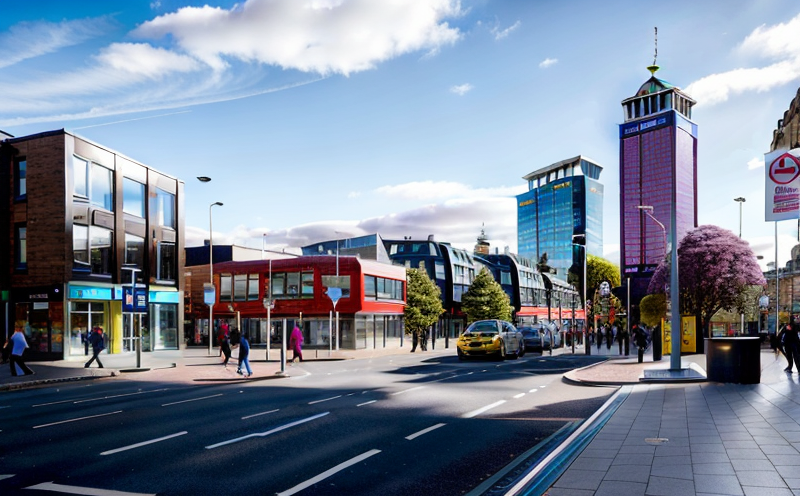
Perth’s urban landscape is on the cusp of a significant shift, as the local authority prepares to fully integrate two prominent city centre assets into public ownership and management. This Thursday marks a pivotal moment for residents and businesses, with Perth and Kinross Council officially taking over the Kinnoull Street multi-storey car park and the adjacent Pullar House administrative offices. The announcement, made by Council leader Grant Laing, signals the culmination of a long-term strategic plan aimed at enhancing civic services and streamlining operational efficiency across Perth. For a quarter-century, these buildings have operated under a Private Finance Initiative (PFI), a model that is now being phased out in favour of direct council control. This transition is expected to deliver substantial financial benefits, projecting annual savings that will directly reinvest into the community. For years, the Kinnoull Street parking facility has been a point of contention among motorists, with numerous grievances directed at its former private operator. The impending council management offers a fresh start, promising a more user-friendly and coherent parking experience that aligns with the broader parking policies already in place for other council-owned sites across Perth. This unification under a single, accountable body is anticipated to resolve many of the long-standing issues, fostering greater trust and convenience for those visiting the city centre. Parallel to the car park acquisition, the council’s full ownership of Pullar House is equally impactful. This building has represented a considerable financial outlay, costing the authority £3.2 million annually in rental payments under the previous PFI agreement. Bringing Pullar House under direct stewardship is projected to yield annual savings of £1.8 million, a considerable sum that can be reallocated to other vital public services and infrastructure projects within Perth and Kinross. This fiscal prudency underscores a commitment to maximizing public funds for the benefit of all citizens. The move also ensures a smooth continuation of operations, as seven employees previously associated with the car park’s management – from Smart Parking and Robertsons – will seamlessly transition to become council staff. This dedication to retaining experienced personnel highlights a focus on continuity and leveraging existing expertise to ensure a high standard of service from day one of the new management structure. A Broader Vision for Perth’s Future This strategic acquisition is not an isolated event but forms a crucial component of a comprehensive vision for Perth city centre’s revitalisation. It is part of a package of ambitious measures endorsed last September, all designed to inject new life and dynamism into the heart of the city. Among these forward-looking proposals is the exciting plan for the construction of the new PH2O sports centre, earmarked for the site of the Thimblerow car park. Such developments collectively aim to create a more attractive, accessible, and vibrant urban environment for residents and visitors alike. Council leader Laing, in his initial comments on the purchase, articulated a clear objective: “By purchasing the Kinnoull Street multi-storey car park and bringing operating arrangements into line with the other council-owned car parks we will be providing a more reliable and user-friendly parking experience.” He expressed confidence that this move would significantly boost the car park’s utilisation, contributing positively to the overall flow and accessibility of the city centre. Looking ahead, Pullar House itself is envisioned as a future public services hub. The intention is to accommodate as many as 460 staff within its walls, transforming it into a collaborative space shared with various other public sector agencies. This approach seeks to centralise essential services, fostering greater inter-agency cooperation and providing a more efficient, joined-up approach to public service delivery in Perth. The consolidation of resources within a centrally located, council-owned facility promises long-term benefits in terms of cost-efficiency and improved public accessibility. The forthcoming change represents a proactive step by Perth and Kinross Council to assert greater control over key civic infrastructure, ensuring that these vital assets operate in the best interests of the community. It reflects a strategic long-term investment in the city’s future, aimed at enhancing public services, fostering economic growth, and improving the quality of life for everyone in Perth and beyond.
Perth’s Craigie Hill Golf Club Faces Precipice After Housing Development Rebuffed by Council

A long-established golfing institution on the fringes of Perth is confronting an uncertain future, with club officials starkly predicting its demise within the next fifteen months. This dire warning follows a decisive rejection by the Perth and Kinross Council of a controversial proposal to construct up to 175 residential properties across half of its sprawling course. The planning committee of the local authority concluded its deliberations this Wednesday, firmly asserting that the safeguarding of the region’s designated green belt lands held precedence over the proposed development. This stance directly countered the persuasive arguments put forth by the club, which had painted a grim picture of its imminent collapse without the financial injection from the housing scheme. Captain Dave Mitchell, a leading figure at the 114-year-old golf club, articulated the severe ramifications of the council’s decision during the meeting. He cautioned that without the development, the club’s viability would extend for merely ’15 months at the absolute maximum’, leading inevitably to its cessation. Such an outcome, he stressed, would not offer any benefit to the city of Perth but rather represent a significant void, eliminating employment, recreational golfing opportunities, and crucial access for numerous community groups and individuals currently supported by the club. Furthermore, Captain Mitchell raised concerns about the potential for the now-vulnerable clubhouse to fall into disrepair, becoming a magnet for undesirable activities. He also highlighted environmental anxieties, suggesting that the absence of active grounds management and maintenance of the surrounding tree canopy could exacerbate flooding risks in the already susceptible Craigie vicinity, an area familiar to residents for its historical challenges with water management. The proposed residential project was a collaborative effort with Kilmac, a construction firm based in Dundee, and included ambitious plans for a significant overhaul of the clubhouse, transforming it into a modern community hub. Despite a considerable outpouring of local support, with 215 individuals formally backing the application compared to 107 objections, the prevailing planning policies ultimately swayed the decision-makers. Key among the concerns articulated by local government planning officials and community objectors was the pervasive threat of flooding. Both the principal access road, historically known as Low Road, and the designated emergency egress route via Woodside Crescent, were identified as being particularly vulnerable to inundation. Objectors presented compelling data, noting a recent surge in significant flood events within the area – four major incidents occurring between 2020 and 2025 – a stark contrast to the four recorded over the preceding four decades leading up to 2020. Adding another layer of complexity to the infrastructure concerns, it was highlighted that the developer’s traffic impact assessment had failed to account for the anticipated increase in vehicles from a new Aldi supermarket planned for the adjacent Necessity Brae. This separate retail development had recently secured council approval in July, following a protracted legal dispute that had previously seen it blocked by a competing supermarket chain. The cumulative effect of these unaddressed traffic volumes, coupled with the existing flood susceptibility of access routes, presented a formidable obstacle to the housing proposal. During the planning committee’s spirited debate, some councillors voiced their belief that approving the project could contribute positively to addressing the pressing local and national housing shortage. However, the committee ultimately voted to uphold the principles of the Local Development Plan, with a clear majority of 26 votes against the application, nine in favour, and two abstentions. The official position underscored that the proposed 175 residences on green belt land were deemed ‘excessive’ and would detrimentally ‘impact on the landscape setting’ of this part of Perth, stating that the golf club’s financial distress, while acknowledged, did not provide sufficient justification to override established planning considerations.
Nomadic Group Departs McDiarmid Park After Weekend Presence in Perth

The temporary stay of a nomadic community at McDiarmid Park, a key sporting venue and landmark in Perth, has concluded. The group, comprising several caravans, had established their presence within the stadium’s expansive car park, situated off Crieff Road, since the preceding weekend. Observers noted the gradual departure of the vehicles and their occupants overnight between Tuesday and Wednesday morning, marking an end to their multi-day encampment on the football grounds. The aftermath of the encampment revealed several bags of discarded refuse on the grounds. This necessitates a clean-up operation to restore the car park to its usual pristine condition, ready for upcoming events and match days that draw visitors and supporters from across Perth and Kinross and beyond. St Johnstone Football Club, which holds ownership of the land at McDiarmid Park, confirmed that it had been actively liaising with the relevant council departments regarding the situation. However, the club opted not to issue any further public commentary on the matter, adhering to its policy on such sensitive issues. This approach is common among private landowners when navigating situations involving unsanctioned land use. A spokesperson for Perth and Kinross Council addressed the situation, confirming their official recognition of the gathering as an “unauthorised encampment.” This designation is a standard administrative term used by local authorities to describe temporary settlements on land without the express permission of the landowner. The council’s role in such instances typically involves monitoring the situation, conducting welfare assessments, and following legal procedures to ensure an appropriate resolution. Local Provisions for Nomadic Communities It is important to note that Perth and Kinross already has dedicated facilities designed to accommodate members of the travelling community. These established sites serve as official and regulated stopping places, offering essential services and a stable environment. The two principal permanent locations are Double Dykes, situated within the Perth urban area, and Bobbin Mill, which lies further north near the picturesque town of Pitlochry. These sites are equipped to provide basic amenities and aim to foster positive relations between the settled and nomadic populations, helping to prevent the need for impromptu encampments in undesignated areas like public car parks or recreational grounds. Broader Implications for Community and Land Use The presence of an unauthorised encampment at a site as significant as McDiarmid Park inevitably sparks discussion among local residents and businesses. Concerns frequently revolve around the potential for disruption to regular activities, the costs associated with clean-up, and the broader management of public and private spaces. For St Johnstone FC, the car park is not merely a parking facility but also a vital operational area, integral to match-day logistics and community programming. Its temporary occupation could impact scheduled activities or require logistical adjustments, highlighting the practical challenges posed by such unpermitted uses. The swift resolution of this particular encampment, with the group moving on voluntarily, is a positive outcome for all parties. It minimises the need for more protracted legal processes and allows for a quicker return to normal operations for the football club and unimpeded public access to the facility. This incident also serves as a reminder of the intricate balance between land ownership rights, community access, and the unique needs of nomadic groups. Local authorities across Perth and Kinross regularly manage such occurrences, balancing legal responsibilities with a commitment to human welfare. The existence of official traveller sites underscores an effort to provide structured solutions, although challenges remain in ensuring these are always utilized and that unauthorised settlements are managed effectively and humanely. The dialogue around these issues remains a continuous part of local governance and community relations in the region. The attention brought by this event, while brief, will likely reinforce the ongoing need for clear communication, robust management strategies, and continued investment in appropriate facilities to support all communities residing in or passing through Perth and Kinross.
Perthshire Care Home Abuse: Justice Delayed, But Not Denied

A recent court case in Perth has brought to light a disturbing chapter in the history of a local children’s home. A seventy-year-old man, formerly employed at the Colonsay Children’s Home, has been found guilty of multiple counts of child sexual abuse spanning several years. These horrific acts, committed against vulnerable young residents decades ago, have finally resulted in a conviction, offering a measure of closure to the survivors. A Legacy of Trauma The details of the case paint a harrowing picture of abuse, highlighting the profound impact such crimes have on individuals and the community. The perpetrator’s actions, which included violations of the most personal nature while the victims were asleep, underscore the depth of his betrayal of trust. The lengthy period between the offenses and the eventual trial, while frustrating, emphasizes the bravery of the survivors who came forward to seek justice. Their courage serves as an example for others who may have experienced similar trauma. The Importance of Support This case underscores the ongoing need for support services for survivors of childhood abuse. Many organizations within Perth and Kinross offer specialized counseling and resources for those affected by similar experiences. These services provide vital assistance in the long and challenging healing process. For local residents needing information or support, contacting relevant charitable organizations is recommended. The trial also prompted renewed discussion about the historical safeguards and oversight of care homes in the region. The case has stimulated an important community dialogue centered around fostering a safer environment for vulnerable children, including enhanced training, improved screening procedures, and strengthened reporting mechanisms for suspicious activities. A Community’s Response The verdict has resonated deeply with the Perth and Kinross community, prompting a range of reactions. Many residents have expressed their shock and dismay at the revelations, while others have voiced their admiration for the strength and resilience demonstrated by the victims. The events have spurred a call for heightened vigilance and ongoing dialogue about child protection, emphasizing the collective responsibility of all community members to safeguard vulnerable individuals. Local support groups and organizations are actively participating in ongoing discussions to improve protective measures. The sentencing of the perpetrator is scheduled for October 7, 2025. While this date marks a critical point in the legal process, it does not signal an end to the community’s commitment to support survivors and prevent future abuse. The story serves as a reminder of the importance of creating a safe and nurturing environment for all children within Perth and Kinross, and to ensure that justice is both sought and delivered, regardless of the passage of time. The impact of this case extends beyond the immediate victims and reaches into the heart of our community. It is a solemn reminder that vigilance and proactive measures are crucial in protecting our most vulnerable citizens. Local initiatives dedicated to child welfare and support for survivors deserve our ongoing attention and engagement. It is through collective action and continued dialogue that we can work toward a more secure future for children in Perthshire. The beauty of the Perthshire landscape, with its rolling hills and iconic landmarks such as Scone Palace, should not overshadow the seriousness of this matter. This case highlights a stark contrast: the idyllic natural beauty and the deep scars of past injustices within our community. We must strive to ensure that the legacy of this case is not one of silence, but of a renewed commitment to child protection and the support of survivors. The upcoming Big Burns Supper, an annual celebration of Scottish culture in Dumfries (though not local to Perth and Kinross, serves as a reminder that community celebrations shouldn’t overshadow the ongoing needs of victims within our areas). Such celebrations should be a catalyst for ongoing dialogue about safety and well-being for all members of the community. The story of Colonsay Children’s Home is a poignant reminder that the path to justice can be long and arduous. It also showcases the unwavering strength of those who have suffered in silence. The Perth and Kinross community has shown its solidarity and support, and we can only hope that the sentence handed down will offer some measure of restorative justice to those harmed. It also presents an opportunity for broader community discussions about safeguarding vulnerable children and supporting those who bravely speak out about past abuse.