

A Perth father is embarking on an extraordinary journey of gratitude, tracing the ambulance route that saved his life over a decade ago following a devastating road accident. Richard Smith, a local joiner, attributes his miraculous survival to a simple egg roll and the swift actions of emergency services, dedicating his upcoming runs to the heroes who gave him a second chance.
The harrowing incident unfolded on November 22, 2012, on the A9, near the Inveralmond roundabout on the outskirts of Perth. Richard had pulled into a layby, intending to enjoy a quiet breakfast while catching up on the morning paper. Unbeknownst to him, his routine was about to be shattered. An articulated lorry collided with his van, catapulting it into another parked vehicle, leaving his workspace a crumpled wreck.
Despite the horrific impact, Richard somehow emerged alive, albeit with severe injuries. He endured two gruelling months in hospital, battling significant brain trauma. Now, more than ten years on, he is preparing to physically retrace the urgent path his ambulance took from Perth to Ninewells Hospital in Dundee, a gesture of profound thanks that has already garnered over £2,000 in pledges from a supportive community. The ‘Lifesaver’ Egg Roll: A Twist of Fate
Richard, now 41, has no recollection of the crash itself, a common phenomenon known as traumatic amnesia, where the brain shields itself from overwhelming events. However, investigators found remnants of an egg roll in his van’s cab, leading to a startling conclusion that has become a poignant detail in his story.
“They say it’s traumatic amnesia. My brain has decided ‘you don’t need to know about that’,” Richard shared. “But they found I’d been eating an egg roll in the cab, and we think that’s probably what saved my life.”
His breakfast habit, typically a roll with sausage or bacon consumed with the newspaper propped against the steering wheel, took a different turn that morning. For an egg roll, he would usually spread the newspaper across the passenger seat to prevent yolk drips. This seemingly minor deviation from his usual routine positioned him differently in the vehicle at the moment of impact.
“Looking at the wreckage, they think I must have been leaning over the middle to eat my food, and that’s the only reason I didn’t get hit front-on,” Richard explained. This small detail, he believes, was the critical difference between life and death. The first time he revisited his local burger van after the accident, he jokingly ordered a “lifesaver” – a fried egg roll. A Long Road to Recovery, Marked by Resilience
The day of the crash irrevocably altered Richard’s life. Firefighters meticulously worked to free him from the mangled wreckage at Inveralmond. He was then rushed to Ninewells Hospital, a regional trauma centre serving Perth and Kinross, where a CT scan revealed the extent of his injuries: a severely depressed skull fracture, crush injuries to both legs, and deep lacerations to his arm. Emergency brain surgery followed, after which he was placed in an induced coma for over two weeks.
Upon awakening, he found himself in Ninewells’ Intensive Treatment Unit. A testament to the dedication of the hospital staff, Richard was granted a precious 24-hour home visit on Christmas Eve, allowing him to spend the festive period with his wife, Kirstin, and their young daughters, Neiv and Erin, who were then just five and two years old. This brief reunion offered a flicker of hope amidst his arduous recovery.
On January 3, 2013, he transferred to the Royal Victoria Hospital’s dedicated brain injury rehabilitation unit in Dundee, remaining there until January 25. While his physical wounds healed, the brain injuries left lasting effects. Richard still experiences fatigue, mood swings, a loss of his sense of smell, and a diminished attention span. Tragically, he cannot recall significant moments, including his daughters’ births or his schooldays at Perth Academy.
Despite these profound challenges, Richard maintains a remarkably positive outlook. “It could have been much worse,” he reflected. “I could have been paralysed, or dead. But I’m here. I got to watch my girls grow up. Your life can just go in a second. And sometimes the only thing standing in the way is an egg roll.” The Marathon of Gratitude: A Community Rallies
Richard is preparing to honour the anniversary of his crash with two monumental runs. This Saturday, at precisely 9:50 am—the exact time of his accident—he will begin his first challenge. He plans to “run, walk or crawl” the approximately 27.5 miles from Inveralmond to Ninewells Hospital, then continue to the Royal Victoria Hospital.
The second leg of his journey will take place on January 25 next year, marking his return home from rehabilitation. He will complete a 20-mile route from the Royal Victoria Hospital back to Perth Royal Infirmary, symbolizing the completion of his long healing process.
His JustGiving appeal, aptly titled “Ricky’s That Explains A Lot Run,” has already surpassed an impressive £2,000, with contributions pouring in from friends, family, and compassionate strangers across Perth and Kinross and beyond. Richard confesses to being an “emotional wreck two or three times a day” as the events draw near.
“But I’m doing all of this to raise money for the people and organisations who helped save my life, and who continuously support people like me who’ve had their lives turned upside down,” he emphasized. All funds raised will be distributed among three vital charities: the Benevolent Fund for Nurses in Scotland, brain injury charity Headway, and Lifelines, an organization dedicated to supporting emergency service workers dealing with PTSD and trauma. These organisations provide crucial support that resonates deeply within the local community, highlighting the ripple effect of Richard’s journey of thanks.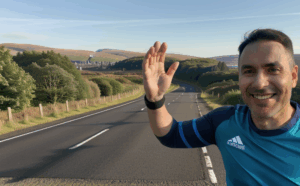
The harrowing incident unfolded on November 22, 2012, on the A9, near the Inveralmond roundabout on the outskirts of Perth. Richard had pulled into a layby, intending to enjoy a quiet breakfast while catching up on the morning paper. Unbeknownst to him, his routine was about to be shattered. An articulated lorry collided with his van, catapulting it into another parked vehicle, leaving his workspace a crumpled wreck.
Despite the horrific impact, Richard somehow emerged alive, albeit with severe injuries. He endured two gruelling months in hospital, battling significant brain trauma. Now, more than ten years on, he is preparing to physically retrace the urgent path his ambulance took from Perth to Ninewells Hospital in Dundee, a gesture of profound thanks that has already garnered over £2,000 in pledges from a supportive community. The ‘Lifesaver’ Egg Roll: A Twist of Fate
Richard, now 41, has no recollection of the crash itself, a common phenomenon known as traumatic amnesia, where the brain shields itself from overwhelming events. However, investigators found remnants of an egg roll in his van’s cab, leading to a startling conclusion that has become a poignant detail in his story.
“They say it’s traumatic amnesia. My brain has decided ‘you don’t need to know about that’,” Richard shared. “But they found I’d been eating an egg roll in the cab, and we think that’s probably what saved my life.”
His breakfast habit, typically a roll with sausage or bacon consumed with the newspaper propped against the steering wheel, took a different turn that morning. For an egg roll, he would usually spread the newspaper across the passenger seat to prevent yolk drips. This seemingly minor deviation from his usual routine positioned him differently in the vehicle at the moment of impact.
“Looking at the wreckage, they think I must have been leaning over the middle to eat my food, and that’s the only reason I didn’t get hit front-on,” Richard explained. This small detail, he believes, was the critical difference between life and death. The first time he revisited his local burger van after the accident, he jokingly ordered a “lifesaver” – a fried egg roll. A Long Road to Recovery, Marked by Resilience
The day of the crash irrevocably altered Richard’s life. Firefighters meticulously worked to free him from the mangled wreckage at Inveralmond. He was then rushed to Ninewells Hospital, a regional trauma centre serving Perth and Kinross, where a CT scan revealed the extent of his injuries: a severely depressed skull fracture, crush injuries to both legs, and deep lacerations to his arm. Emergency brain surgery followed, after which he was placed in an induced coma for over two weeks.
Upon awakening, he found himself in Ninewells’ Intensive Treatment Unit. A testament to the dedication of the hospital staff, Richard was granted a precious 24-hour home visit on Christmas Eve, allowing him to spend the festive period with his wife, Kirstin, and their young daughters, Neiv and Erin, who were then just five and two years old. This brief reunion offered a flicker of hope amidst his arduous recovery.
On January 3, 2013, he transferred to the Royal Victoria Hospital’s dedicated brain injury rehabilitation unit in Dundee, remaining there until January 25. While his physical wounds healed, the brain injuries left lasting effects. Richard still experiences fatigue, mood swings, a loss of his sense of smell, and a diminished attention span. Tragically, he cannot recall significant moments, including his daughters’ births or his schooldays at Perth Academy.
Despite these profound challenges, Richard maintains a remarkably positive outlook. “It could have been much worse,” he reflected. “I could have been paralysed, or dead. But I’m here. I got to watch my girls grow up. Your life can just go in a second. And sometimes the only thing standing in the way is an egg roll.” The Marathon of Gratitude: A Community Rallies
Richard is preparing to honour the anniversary of his crash with two monumental runs. This Saturday, at precisely 9:50 am—the exact time of his accident—he will begin his first challenge. He plans to “run, walk or crawl” the approximately 27.5 miles from Inveralmond to Ninewells Hospital, then continue to the Royal Victoria Hospital.
The second leg of his journey will take place on January 25 next year, marking his return home from rehabilitation. He will complete a 20-mile route from the Royal Victoria Hospital back to Perth Royal Infirmary, symbolizing the completion of his long healing process.
His JustGiving appeal, aptly titled “Ricky’s That Explains A Lot Run,” has already surpassed an impressive £2,000, with contributions pouring in from friends, family, and compassionate strangers across Perth and Kinross and beyond. Richard confesses to being an “emotional wreck two or three times a day” as the events draw near.
“But I’m doing all of this to raise money for the people and organisations who helped save my life, and who continuously support people like me who’ve had their lives turned upside down,” he emphasized. All funds raised will be distributed among three vital charities: the Benevolent Fund for Nurses in Scotland, brain injury charity Headway, and Lifelines, an organization dedicated to supporting emergency service workers dealing with PTSD and trauma. These organisations provide crucial support that resonates deeply within the local community, highlighting the ripple effect of Richard’s journey of thanks.