

A recent planning dispute has emerged in the scenic Perthshire village of Meikleour, near Blairgowrie, where a local resident is contesting Perth and Kinross Council’s decision to reject several proposed alterations to her home. The application, put forth by Sara Rasmussen, sought approval for a range of modern enhancements aimed at improving energy efficiency and functionality, including the installation of state-of-the-art triple-glazed windows, new doors, an air source heat pump, solar panels, and an updated entrance porch.
The local authority, however, turned down the comprehensive scheme, citing concerns that the modifications would be incongruous with the C-listed status of the property and its location within a designated conservation area. A primary point of contention revolved around the proposed fenestration. The ‘Overly-Deep’ Window Dilemma
According to the council’s detailed decision report, a significant issue was the triple-glazed windows, which were deemed to have “overly-deep frames.” Planners expressed a preference for slimmer double-glazing options that they believed would better align with the aesthetic integrity of the historic building. Further commentary from the conservation officer highlighted additional objections, noting that the ’tilt and turn’ mechanism of the proposed windows did not faithfully reproduce the traditional opening style typical of such properties. The choice of aluminium frames was also explicitly stated as “unacceptable” in the context of the building’s heritage.
In response to the refusal, Ms. Rasmussen has formally launched an appeal, aiming to overturn the council’s verdict and proceed with her planned upgrades. Her appeal statement articulates a clear rationale for the choices made.
The submission emphasizes the practical benefits of the proposed triple-glazed units, which it describes as “contemporary, low U-Value, and secure-by-design.” It argues that these windows would offer substantial improvements in reducing overall energy loss, enhancing ventilation, and bolstering the property’s security—factors increasingly vital for modern living in Perthshire.
The appeal also addresses the material choice, stating that “aluminium-faced timber construction reduces long-term maintenance costs,” a practical consideration for homeowners. Furthermore, the chosen colour for the frames was selected to “sympathise with traditional windows, which would have originally been coloured green, brown or similar as opposed to white,” suggesting a considered approach to historical context. The core of Ms. Rasmussen’s argument asserts that the council’s refusal is based on “an overstated claim of harm to the listed building’s special interest,” particularly given that the existing windows are “later insertions of limited heritage value,” implying that their replacement would not detract significantly from the building’s original character. Balancing Modernity with Heritage in Perthshire
Beyond the windows, two other aspects of the application faced similar scrutiny. The council raised objections to the solar panels, which were deemed to be in a “prominent” location and, due to their extensive surface area, would negatively impact the C-listed building’s character. The planned entrance porch also drew criticism for potentially obscuring too much of the original external stonework, thereby harming the property’s historical appearance.
However, the appeal, prepared by Bankfoot-based Euan Gray Architecture and Design, counters these points. It highlights that “the proposed solar panels are reversible and located on side/rear roof planes.” The argument is made that planning guidance often supports such sustainable interventions when they can be removed without causing permanent damage to the heritage asset. Regarding the porch, the submission describes it as “modest and located on a later extension, not the principal elevation,” suggesting minimal impact on the original structure.
This case, like others across Perth and Kinross, underscores the ongoing tension between preserving the architectural heritage of the region and embracing modern advancements in energy efficiency and sustainable living. The decision now rests with a Scottish Government planning inspector, who will ultimately determine the outcome of this appeal, setting a potential precedent for similar applications in historic Perthshire communities.
This is not an isolated incident in the area; Perth and Kinross Council has previously been involved in similar disputes over window specifications. For instance, in August, plans to extend a high-value property near Dunkeld were halted due to concerns over the windows’ ‘plant-on astragal detail.’ Earlier in June, a government inspector mandated the removal of windows from a Dunkeld couple’s home, citing ‘injuries’ to a conservation area and the council’s claim that they were ‘too thick.’ Conversely, last year, a Crieff resident successfully appealed a council order to remove ‘identical’ replacement windows he had already installed, demonstrating the varied outcomes of such appeals and the ongoing complexities facing local homeowners and planning authorities.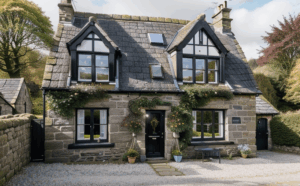
The local authority, however, turned down the comprehensive scheme, citing concerns that the modifications would be incongruous with the C-listed status of the property and its location within a designated conservation area. A primary point of contention revolved around the proposed fenestration. The ‘Overly-Deep’ Window Dilemma
According to the council’s detailed decision report, a significant issue was the triple-glazed windows, which were deemed to have “overly-deep frames.” Planners expressed a preference for slimmer double-glazing options that they believed would better align with the aesthetic integrity of the historic building. Further commentary from the conservation officer highlighted additional objections, noting that the ’tilt and turn’ mechanism of the proposed windows did not faithfully reproduce the traditional opening style typical of such properties. The choice of aluminium frames was also explicitly stated as “unacceptable” in the context of the building’s heritage.
In response to the refusal, Ms. Rasmussen has formally launched an appeal, aiming to overturn the council’s verdict and proceed with her planned upgrades. Her appeal statement articulates a clear rationale for the choices made.
The submission emphasizes the practical benefits of the proposed triple-glazed units, which it describes as “contemporary, low U-Value, and secure-by-design.” It argues that these windows would offer substantial improvements in reducing overall energy loss, enhancing ventilation, and bolstering the property’s security—factors increasingly vital for modern living in Perthshire.
The appeal also addresses the material choice, stating that “aluminium-faced timber construction reduces long-term maintenance costs,” a practical consideration for homeowners. Furthermore, the chosen colour for the frames was selected to “sympathise with traditional windows, which would have originally been coloured green, brown or similar as opposed to white,” suggesting a considered approach to historical context. The core of Ms. Rasmussen’s argument asserts that the council’s refusal is based on “an overstated claim of harm to the listed building’s special interest,” particularly given that the existing windows are “later insertions of limited heritage value,” implying that their replacement would not detract significantly from the building’s original character. Balancing Modernity with Heritage in Perthshire
Beyond the windows, two other aspects of the application faced similar scrutiny. The council raised objections to the solar panels, which were deemed to be in a “prominent” location and, due to their extensive surface area, would negatively impact the C-listed building’s character. The planned entrance porch also drew criticism for potentially obscuring too much of the original external stonework, thereby harming the property’s historical appearance.
However, the appeal, prepared by Bankfoot-based Euan Gray Architecture and Design, counters these points. It highlights that “the proposed solar panels are reversible and located on side/rear roof planes.” The argument is made that planning guidance often supports such sustainable interventions when they can be removed without causing permanent damage to the heritage asset. Regarding the porch, the submission describes it as “modest and located on a later extension, not the principal elevation,” suggesting minimal impact on the original structure.
This case, like others across Perth and Kinross, underscores the ongoing tension between preserving the architectural heritage of the region and embracing modern advancements in energy efficiency and sustainable living. The decision now rests with a Scottish Government planning inspector, who will ultimately determine the outcome of this appeal, setting a potential precedent for similar applications in historic Perthshire communities.
This is not an isolated incident in the area; Perth and Kinross Council has previously been involved in similar disputes over window specifications. For instance, in August, plans to extend a high-value property near Dunkeld were halted due to concerns over the windows’ ‘plant-on astragal detail.’ Earlier in June, a government inspector mandated the removal of windows from a Dunkeld couple’s home, citing ‘injuries’ to a conservation area and the council’s claim that they were ‘too thick.’ Conversely, last year, a Crieff resident successfully appealed a council order to remove ‘identical’ replacement windows he had already installed, demonstrating the varied outcomes of such appeals and the ongoing complexities facing local homeowners and planning authorities.